
Ottawa is facing a food insecurity emergency – not rooted in scarcity, but in broken systems.
Food insecurity is a symptom of the broken systems that families are facing in Ottawa. From unaffordable housing to a lack of adequate social assistance, over 1 in 4 (25.7%) households in Ottawa are now experiencing food insecurity as a result of policy decisions that are failing all Canadians.
This year’s report, titled Food Insecurity in a Broken System dives into the intersection of several failing systems: income, employment and social supports, housing, municipal infrastructure, and more. The report highlights that the 588,866 visits made to programs supported by the Ottawa Food Bank are a result of inadequate policies. The number of seniors accessing food programs has increased by 90% since 2019, and overall food program usage has more than doubled since 2019.
Each and every level of government has a role to play in ending chronic food insecurity. Doing so sustainably means looking beyond the surface at Ottawa’s housing crisis, social assistance, and newcomer support. In the last year, we took meaningful steps toward long-lasting change. The momentum must continue as we work in partnership with agencies to build a city where everyone can thrive.
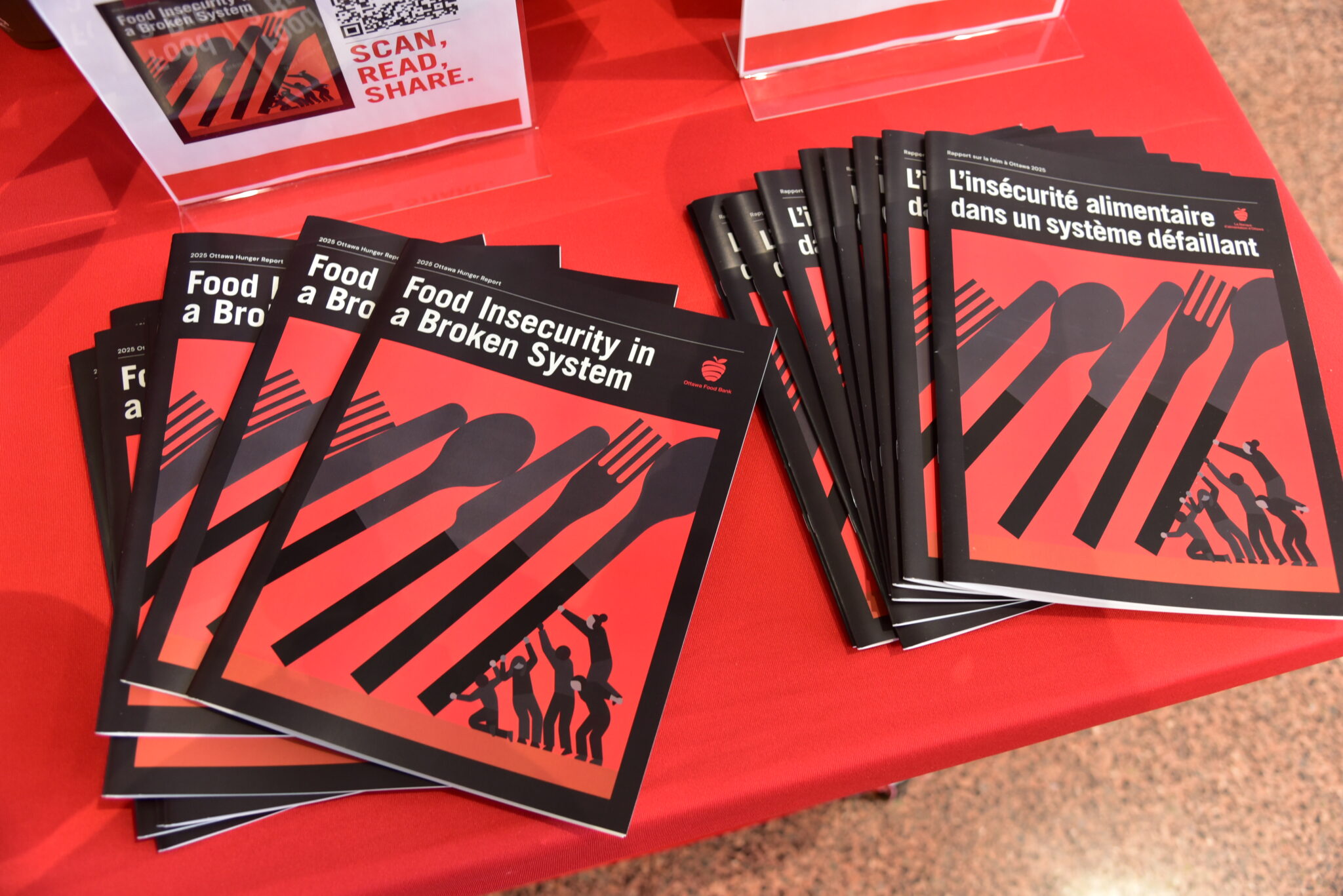
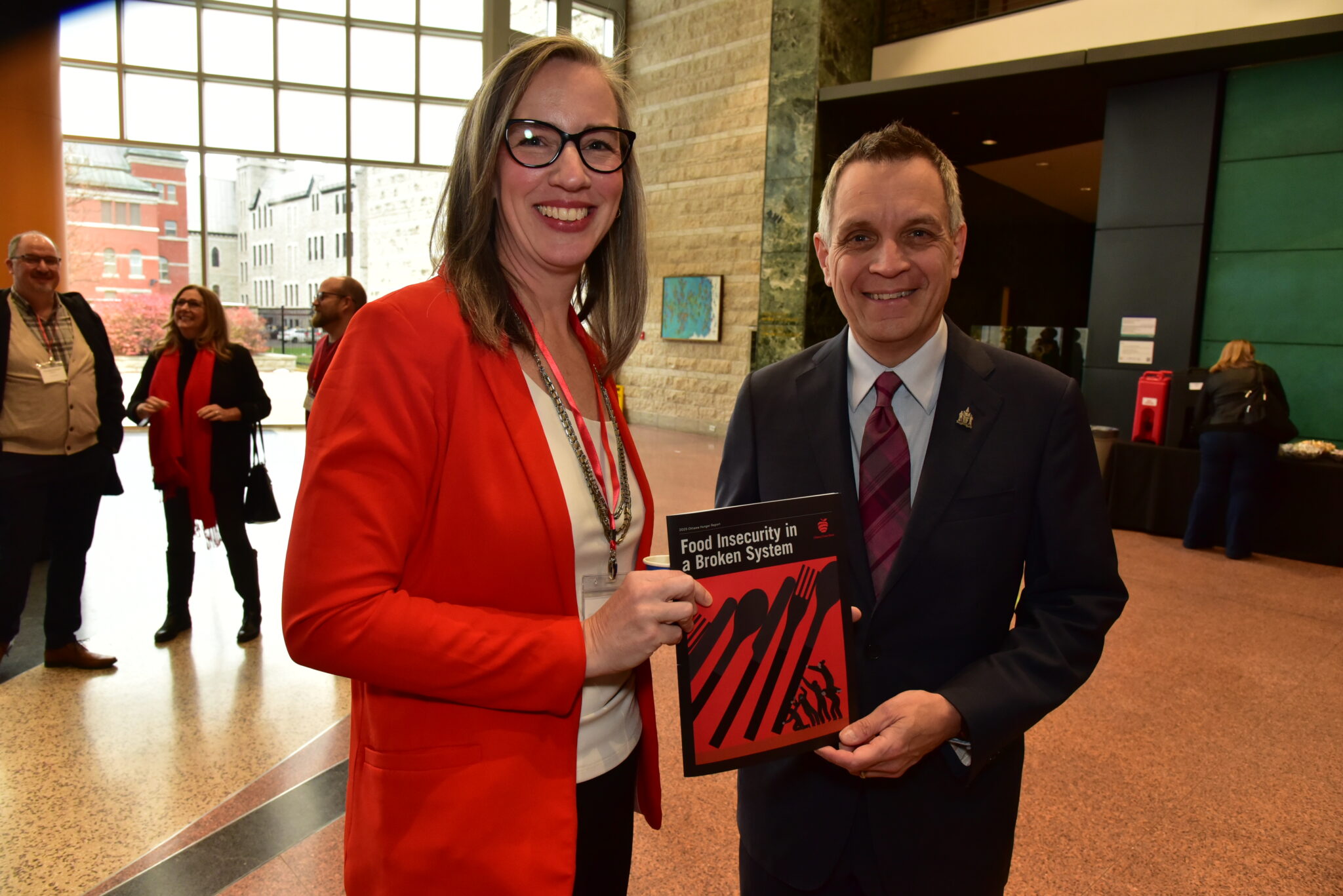
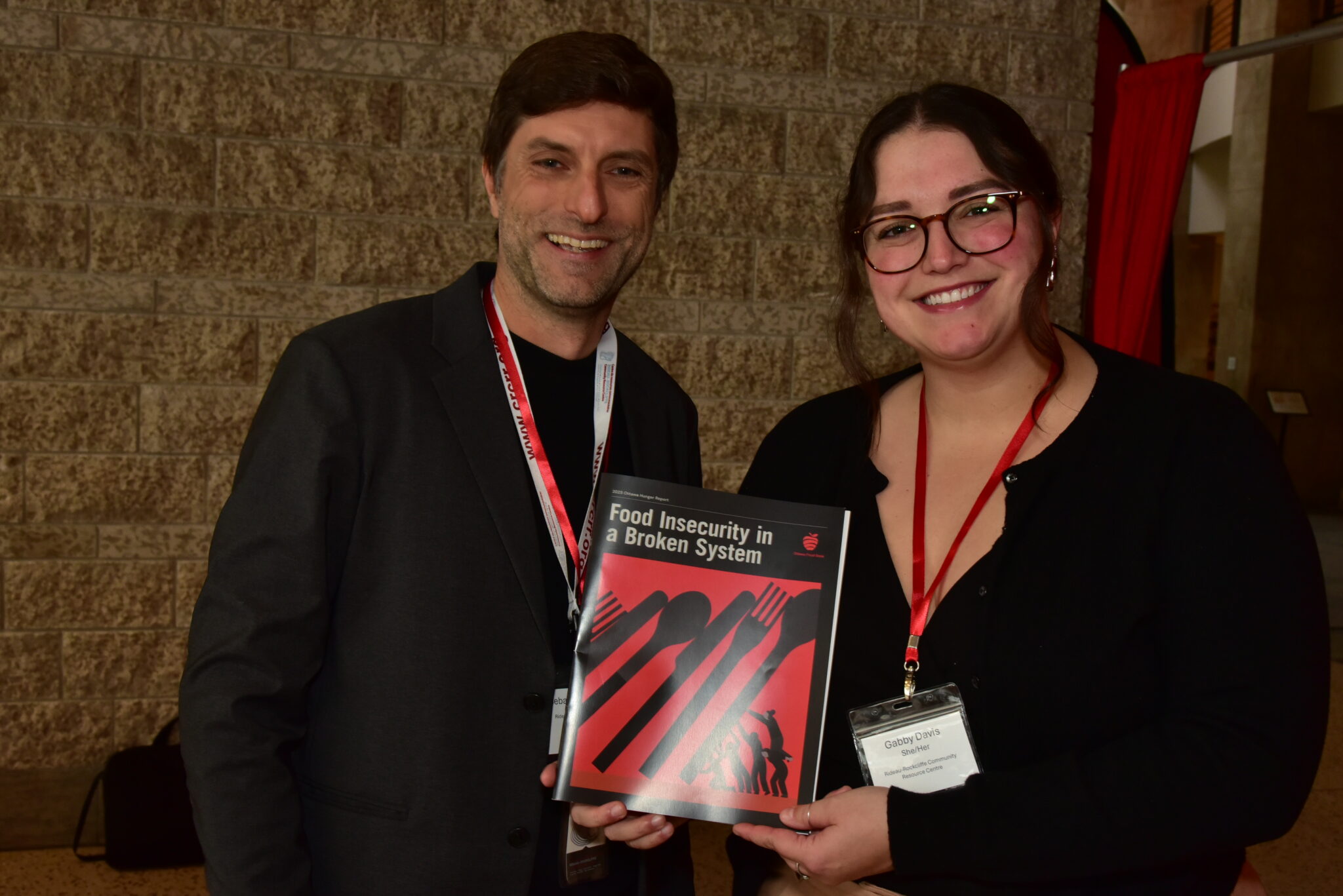
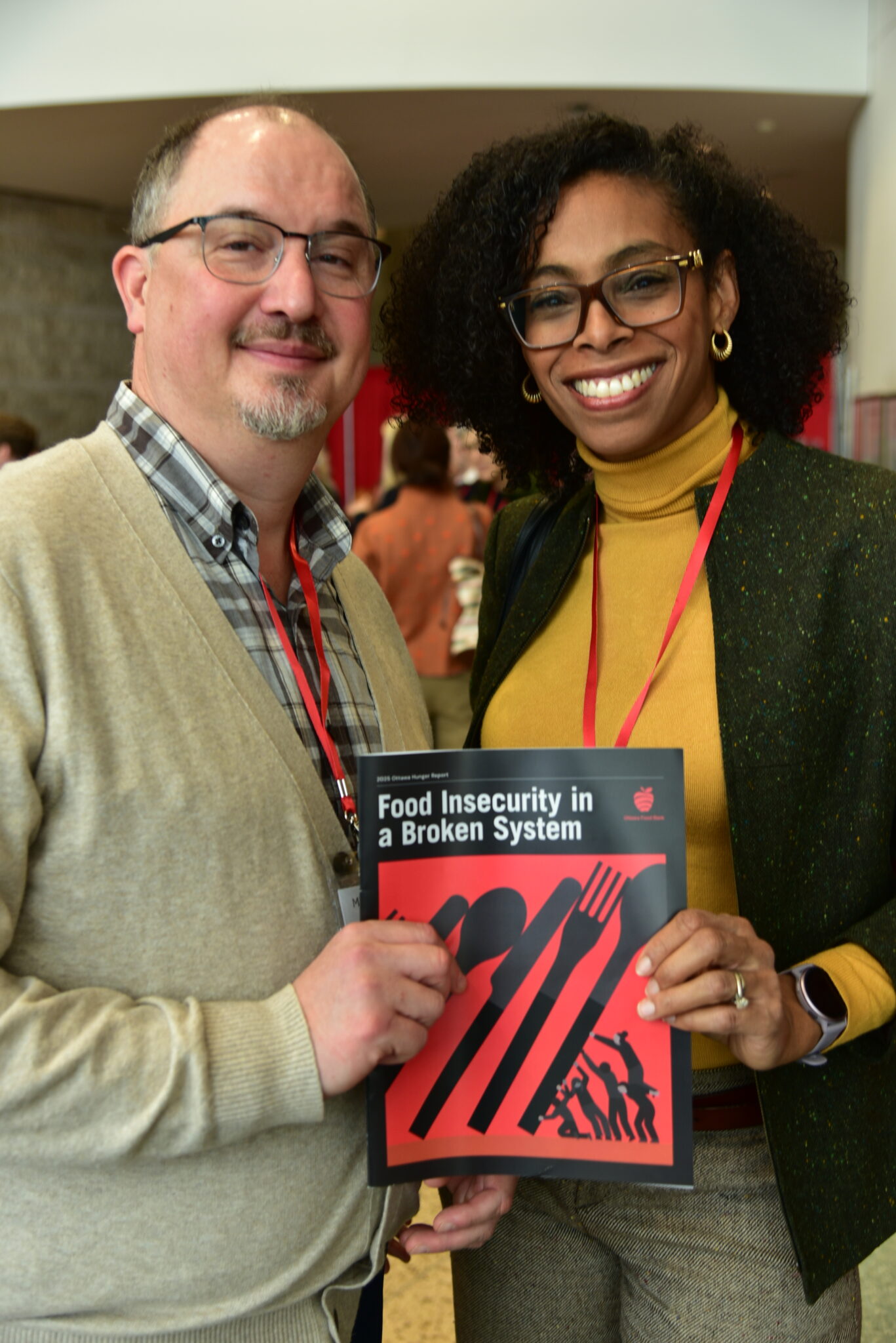
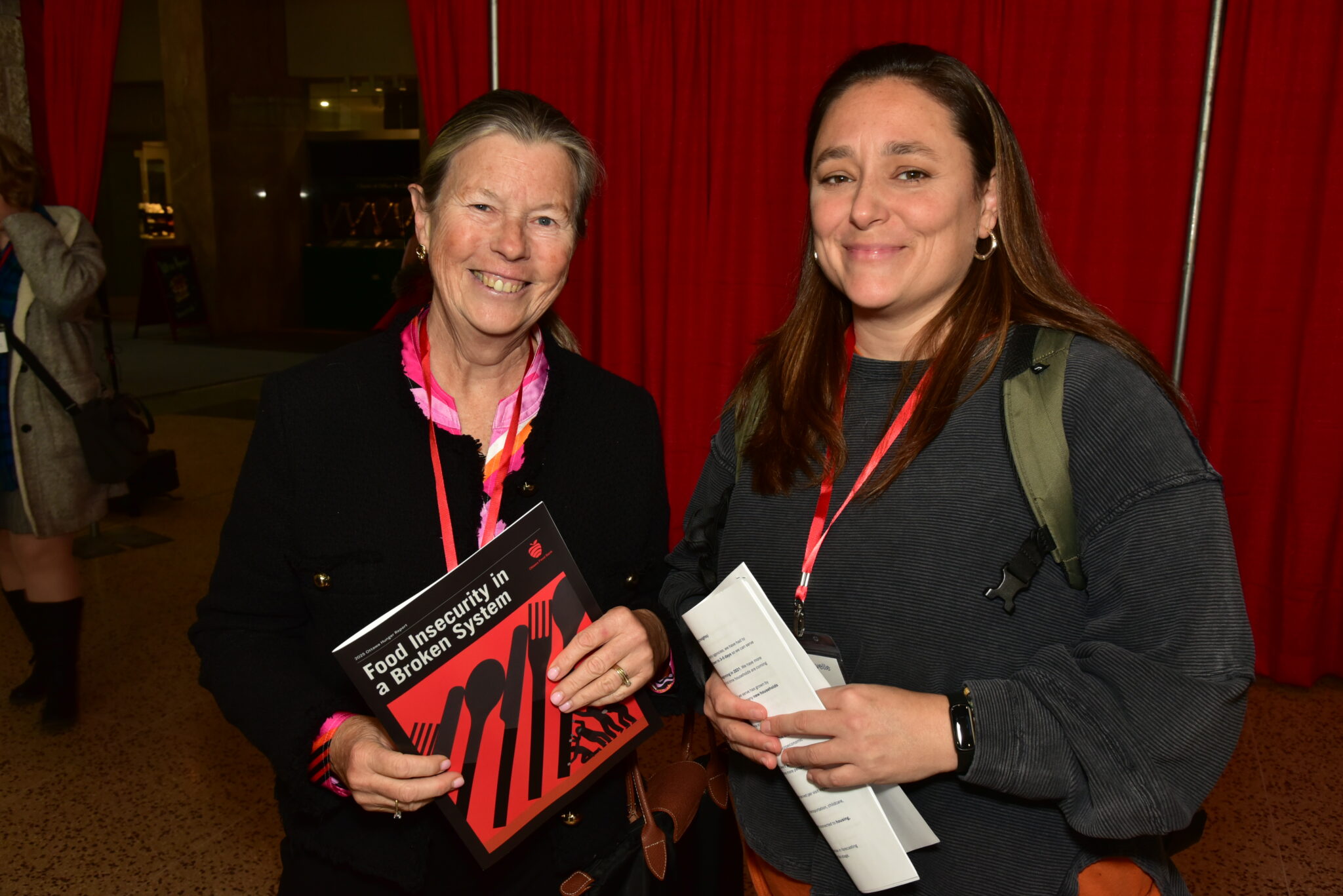
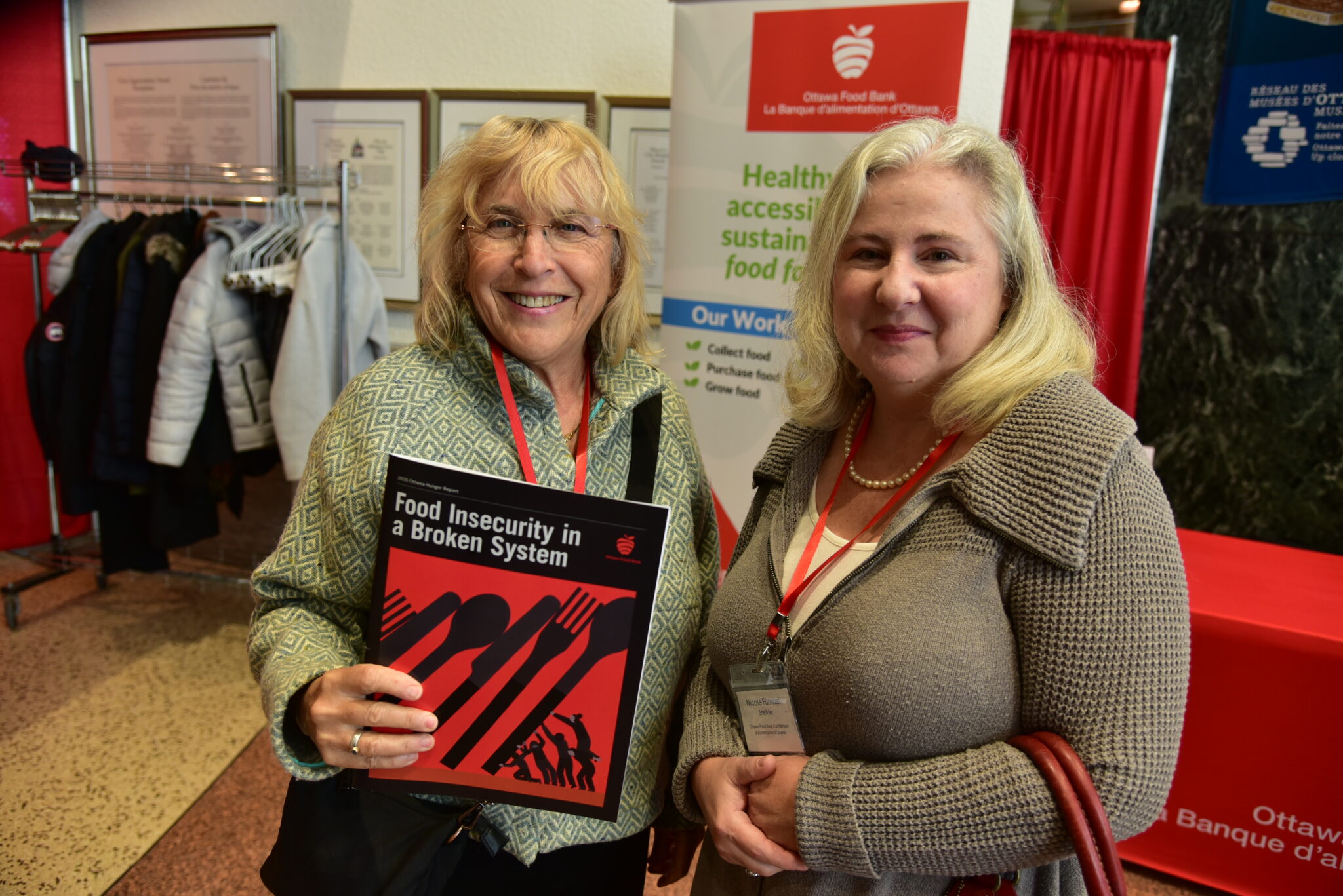
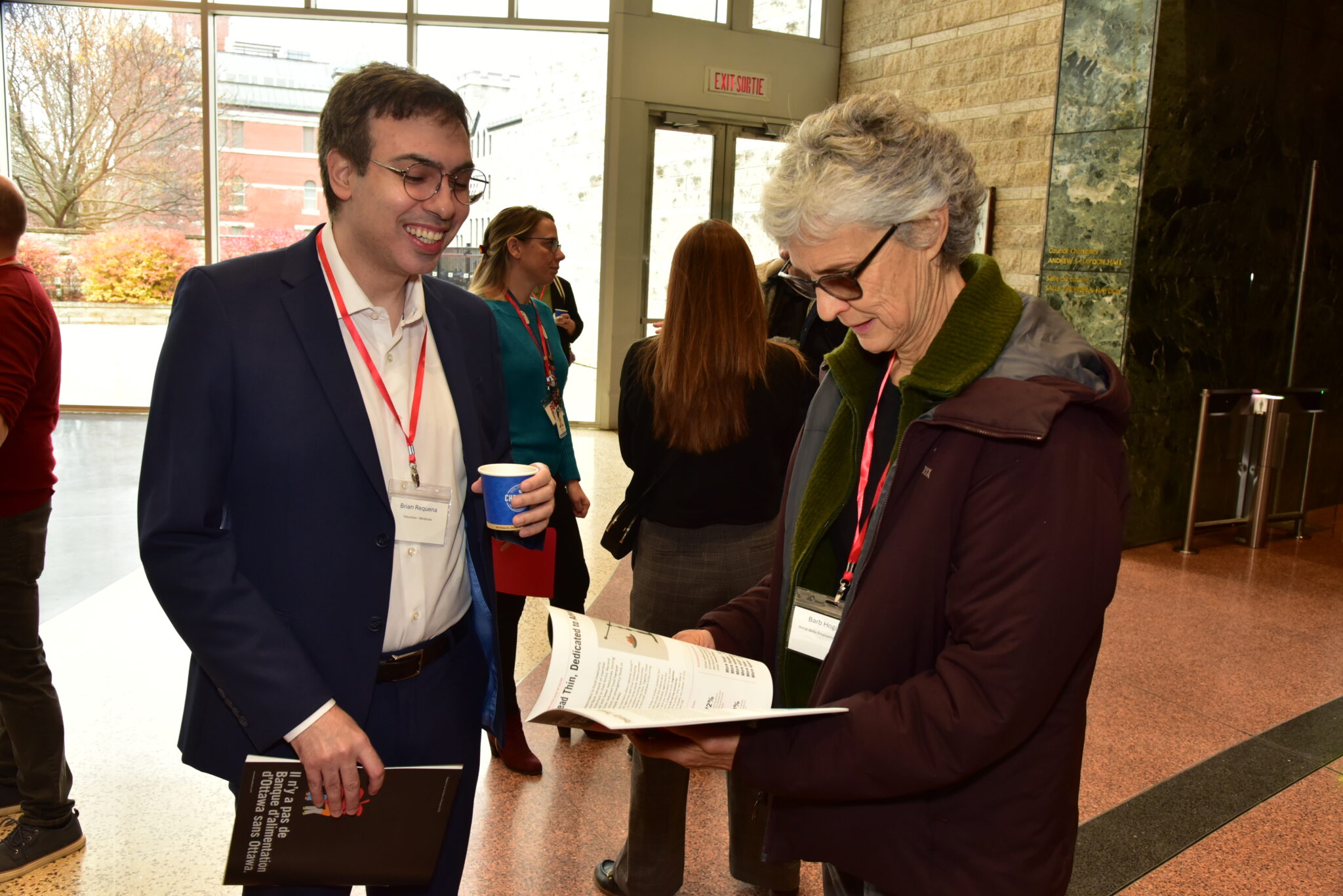
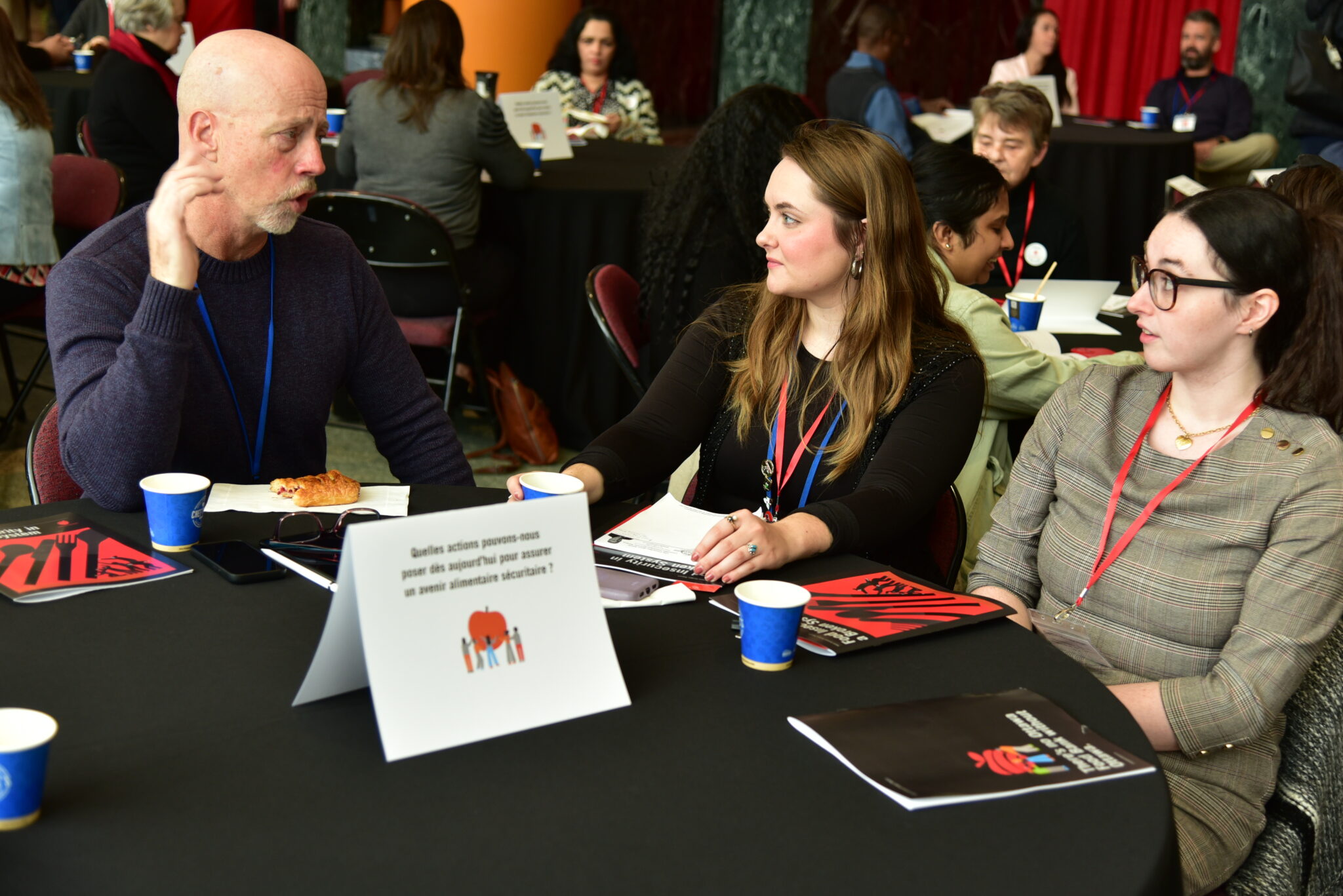
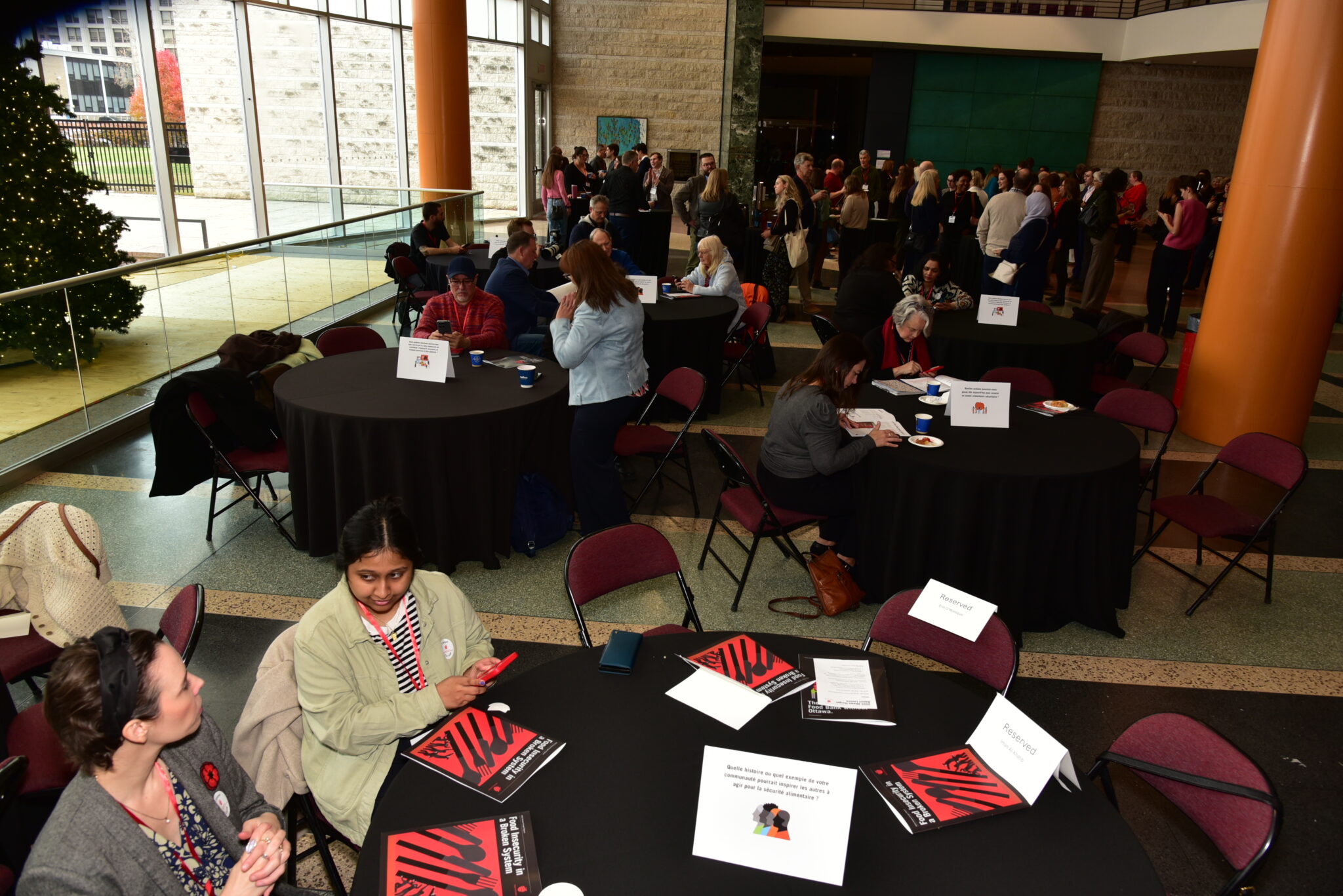
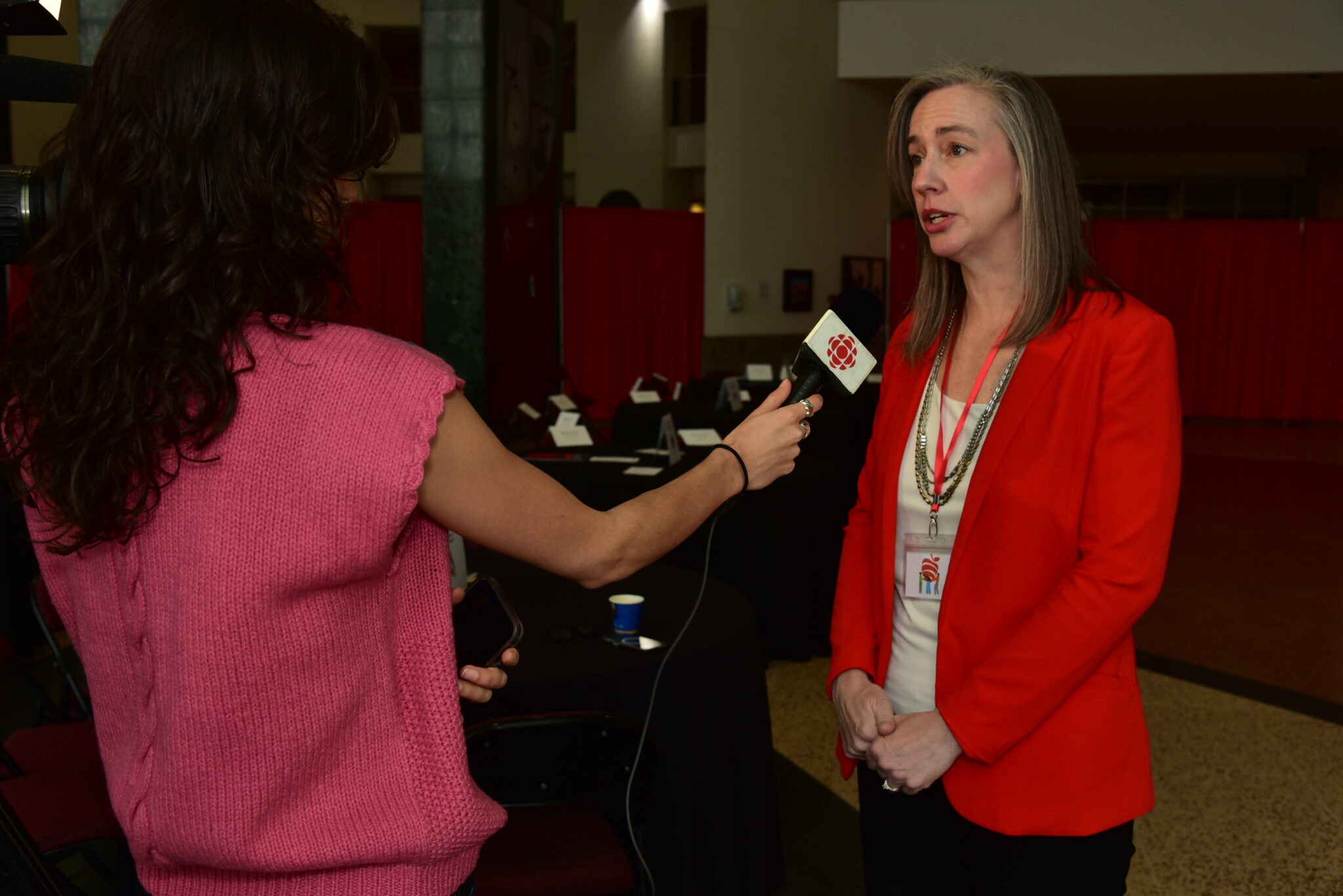
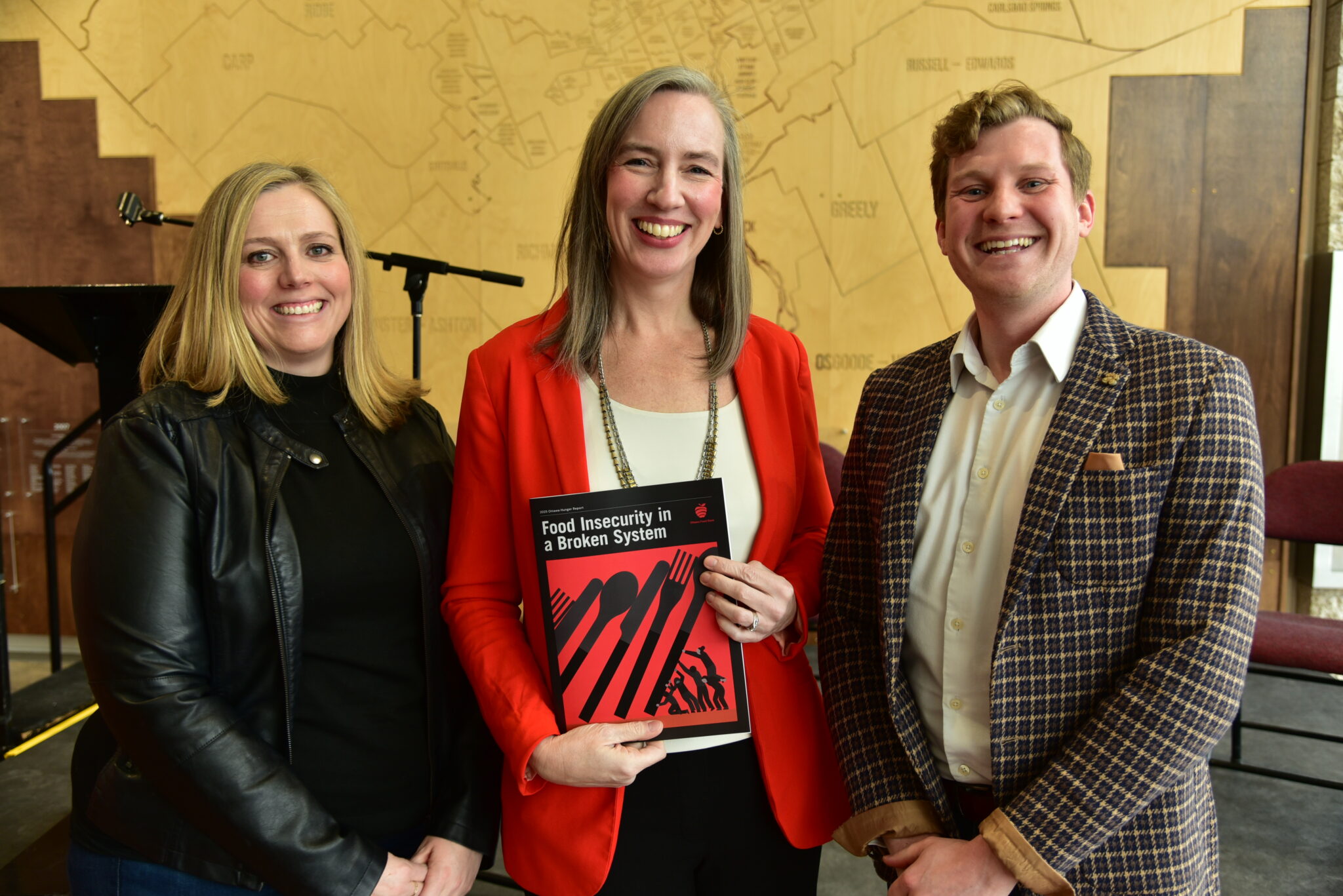
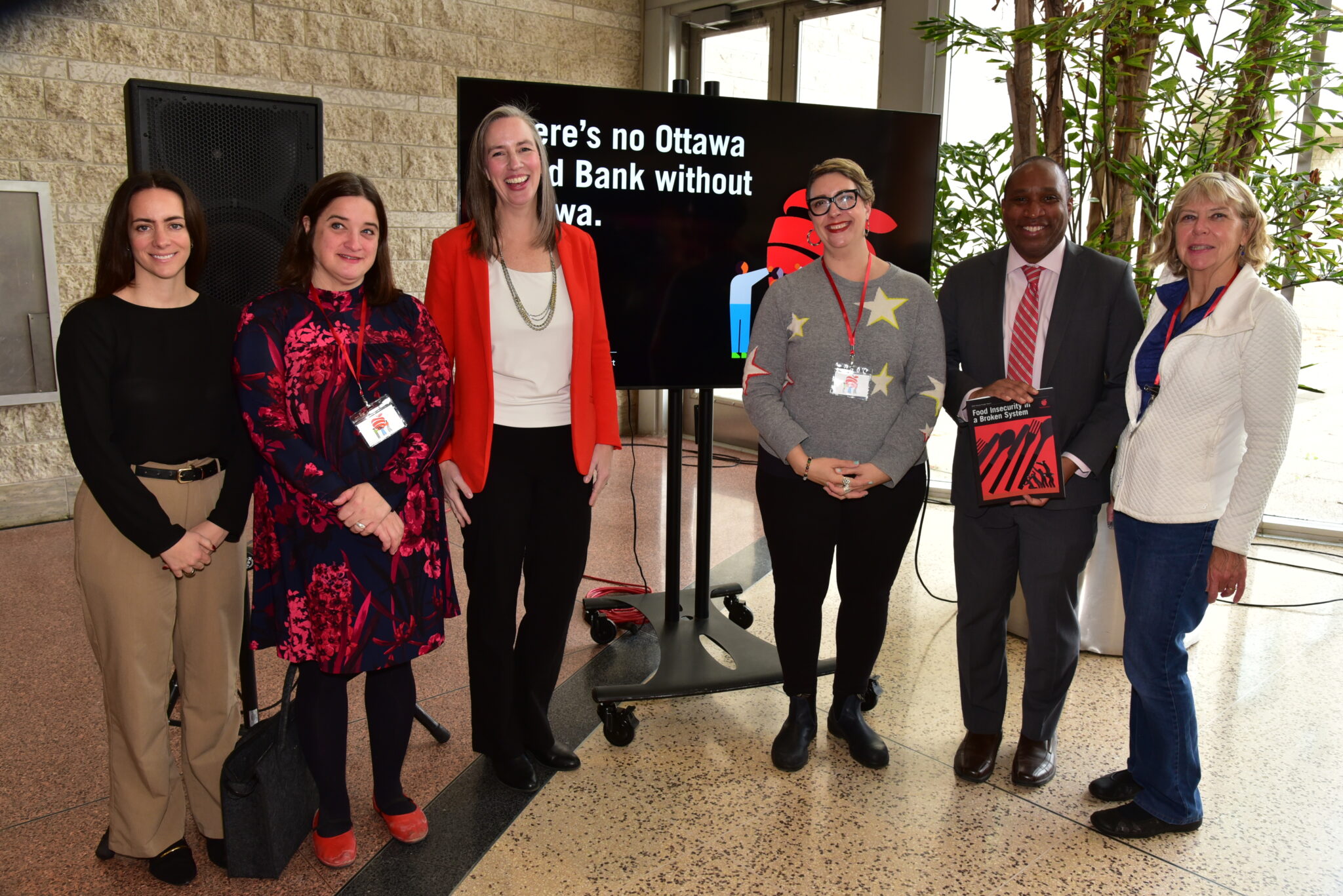
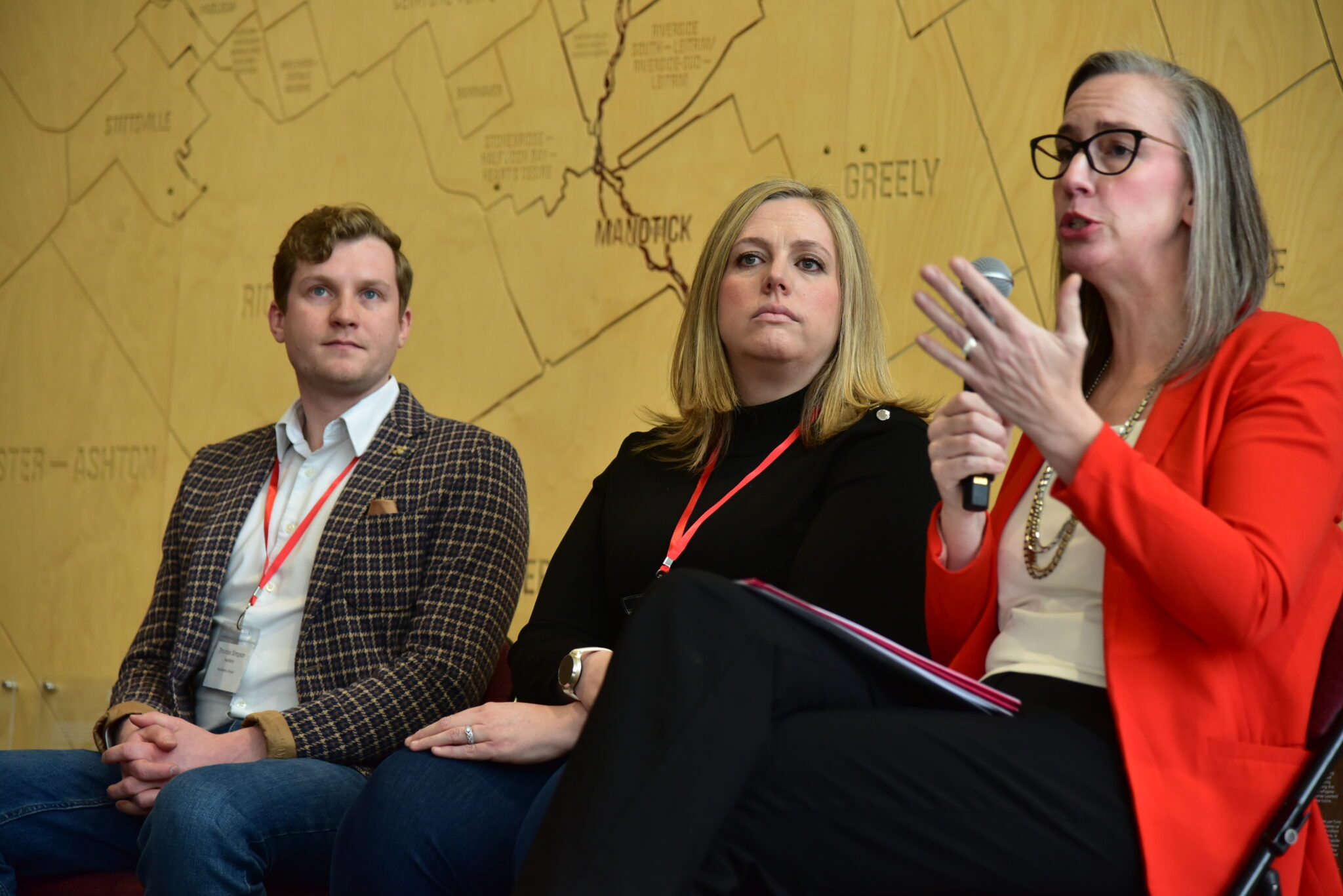
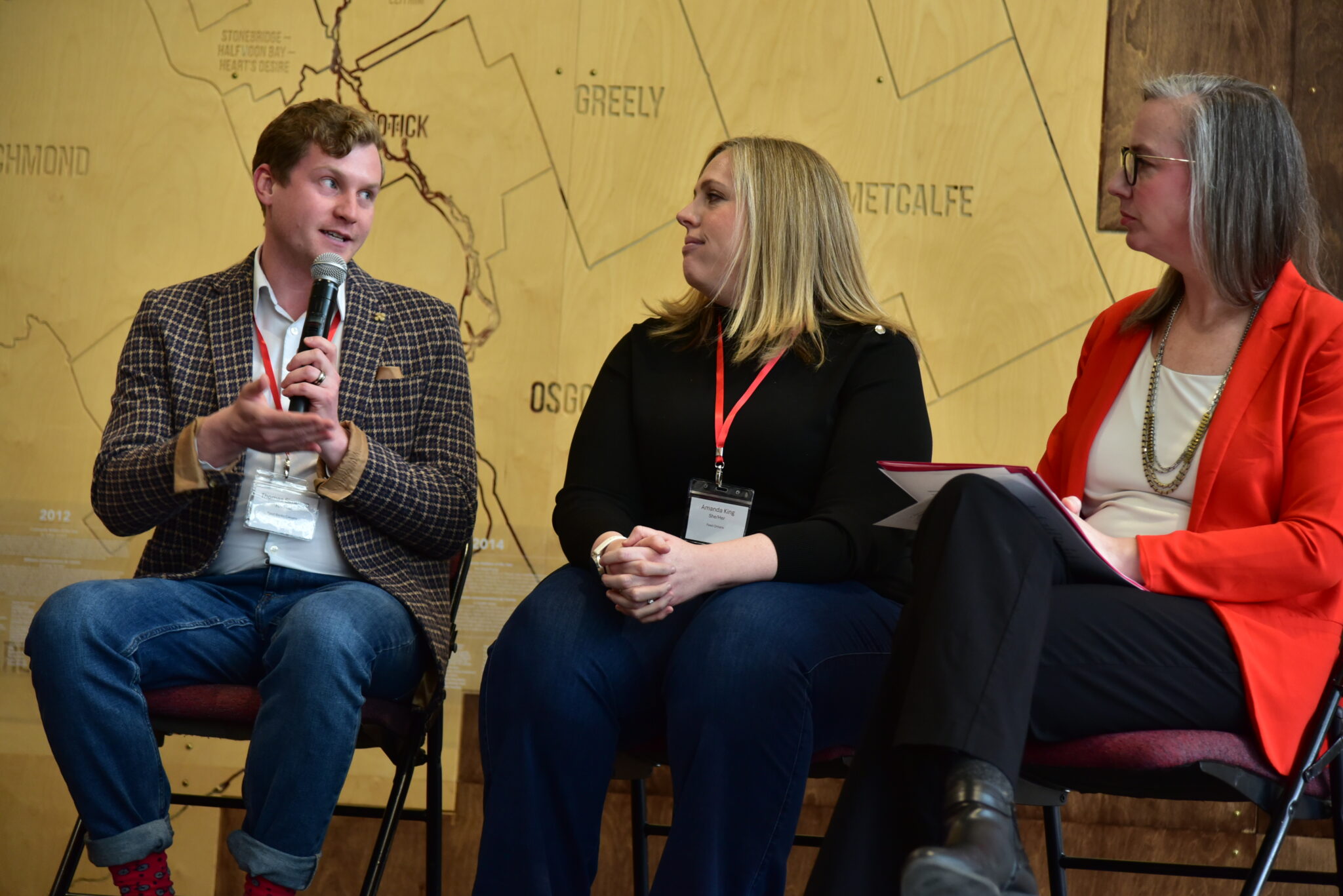
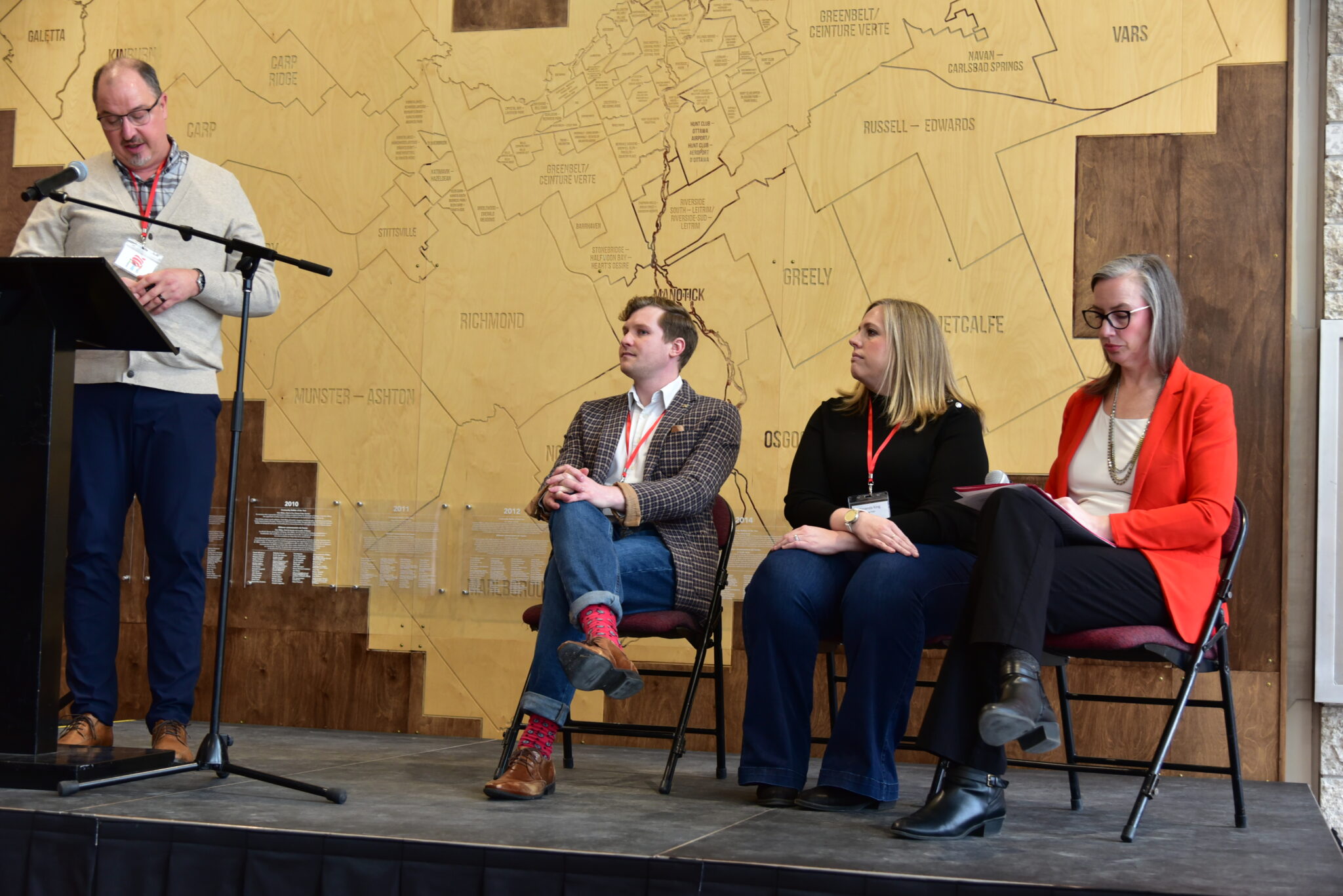
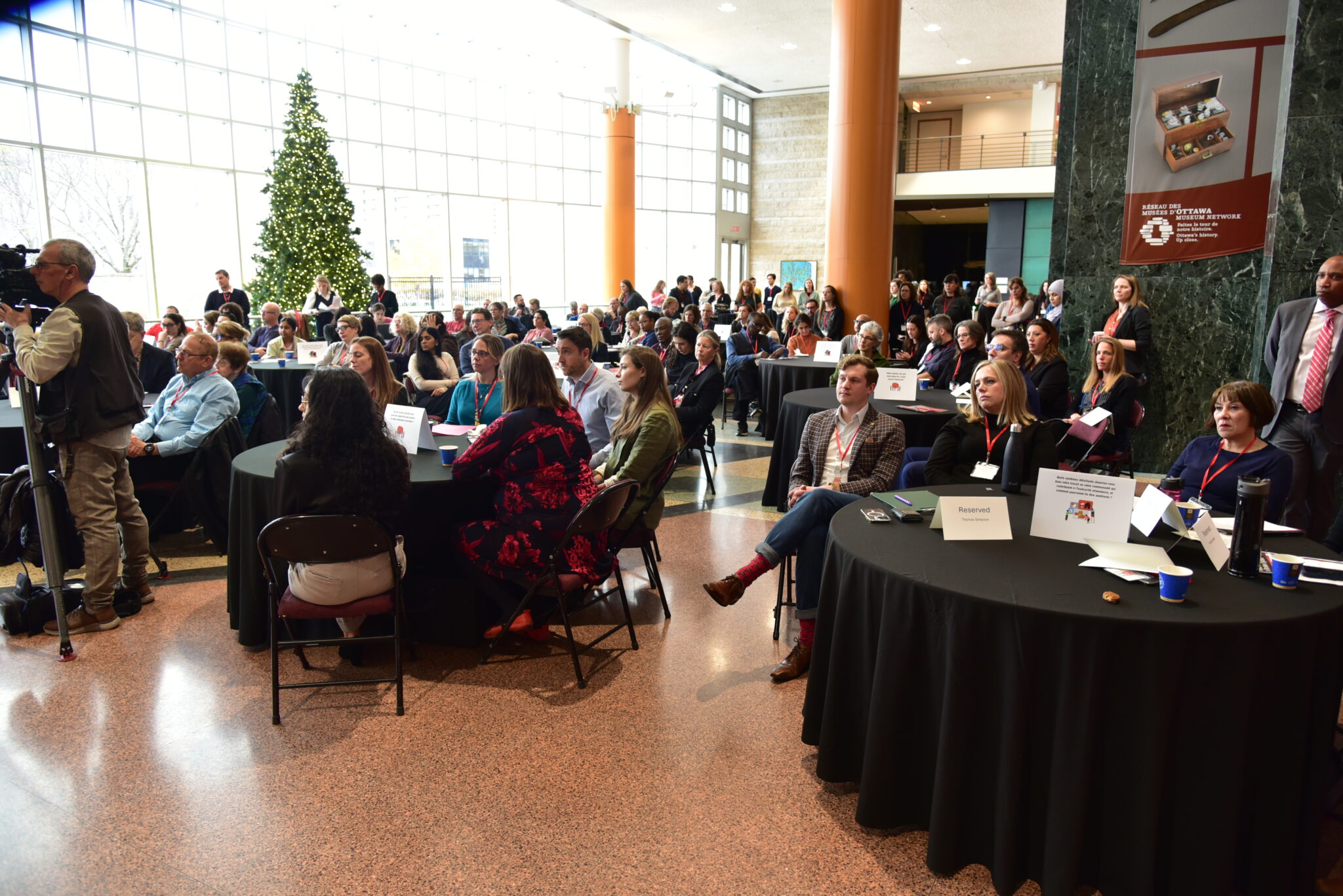
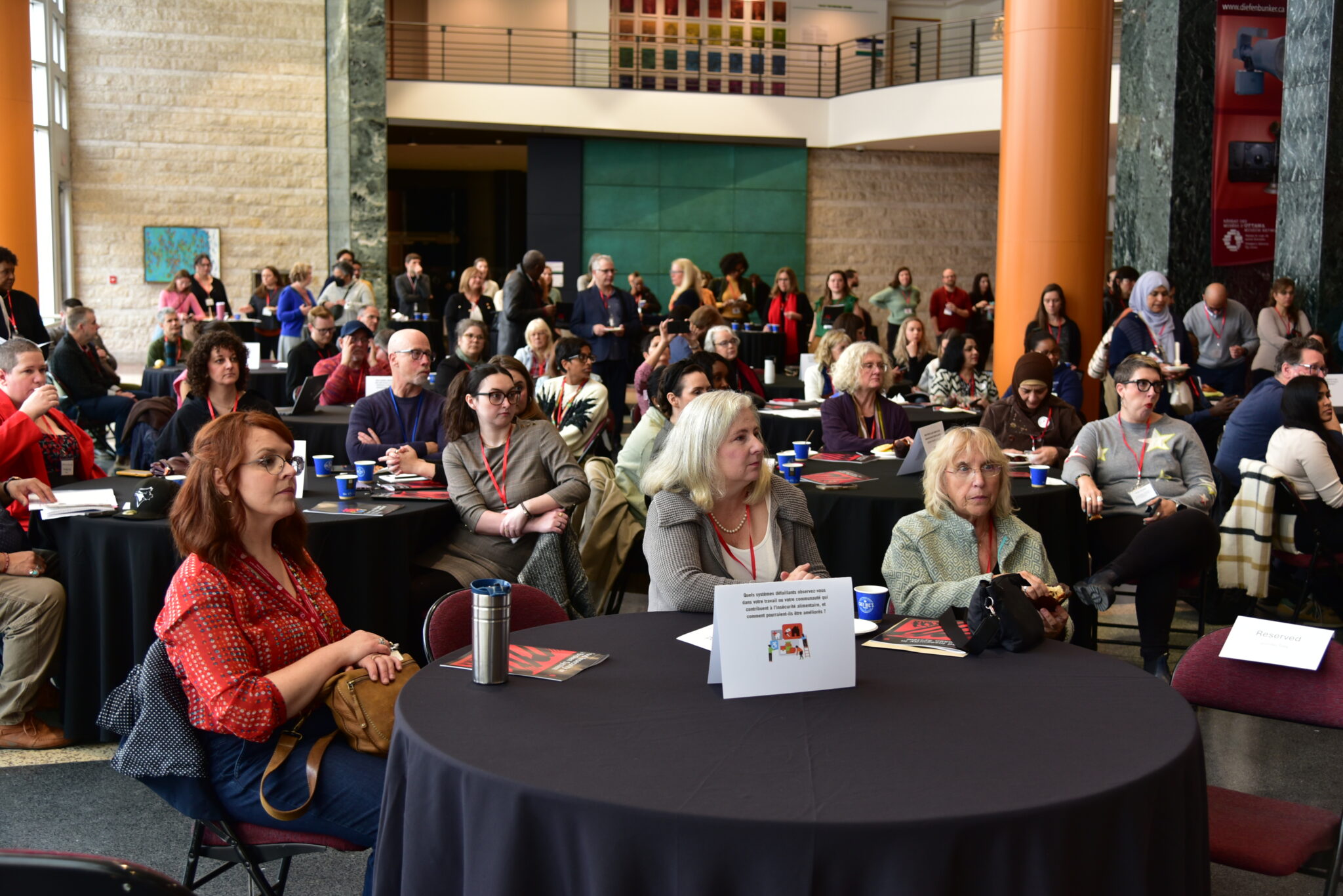
The launch of the 2025 Ottawa Hunger Report was marked by a morning of community at Jean Pigott Place. The launch brought together people with lived experience, elected officials, Ottawa Public Health, the member agency network, and Ottawa Food Bank staff and volunteers.















Recent Comments