
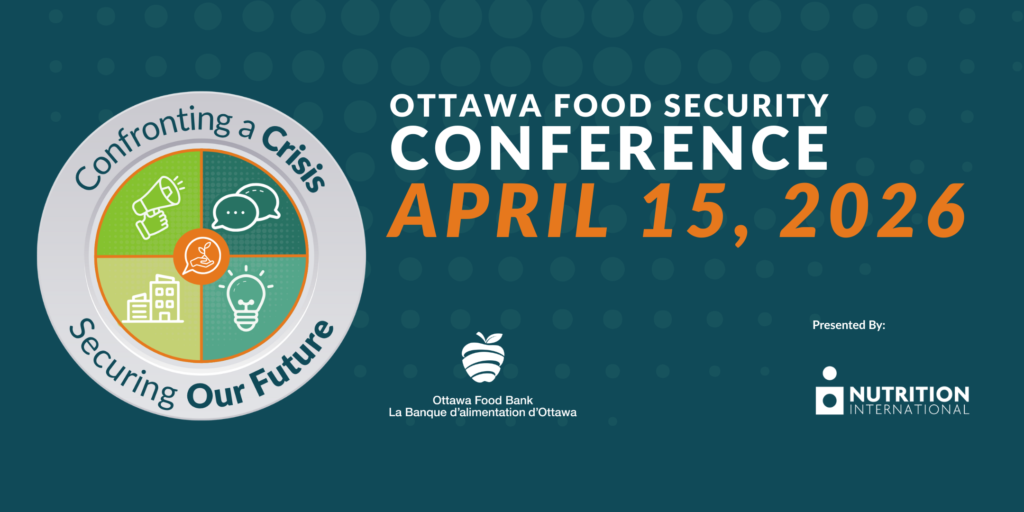
In Ottawa, more than 1 in 4 households cannot afford enough to eat. Last year, 558,866 visits were made to food programs in the city, double the amount since 2019. We are at a systemic breaking point, and the time for collective action is now.
The 2026 Ottawa Food Security Conference themed Confronting a Crisis, Securing Our Future will bring together cross-sectoral leaders, advocates, people with lived and living experience, and supporters. Together, we will explore a range of solutions to food insecurity – from community-based and community-derived responses to those that reframe how we understand and address the root causes of food insecurity.
The conference will be a vital space for dialogue, learning, and connection. Attendees will learn with and from food security stakeholders across sectors and community members with lived experience. We hope to inspire collaboration amongst all parties to accomplish more together. Above all, we seek to continue this work beyond the conference with informed next steps to take action individually and collectively.
Thank you for building a food secure Ottawa!
Date: Wednesday, April 15, 2026
Time: All Day – 8:30 a.m. to 4:30 p.m. ET
Location: Ottawa Conference & Event Centre, 200 Coventry Road, Ottawa, ON K1K 4S3
Format: In-person with a choice of sessions and workshops
Language: The event will take place in English, with simultaneous interpretation in French.
The Ottawa Conference & Event Centre is located in the Courtyard by Marriott Ottawa East. The venue can beeached by OC Transpo, Para Transpo, and car. It is less than one minute from the highway (417), VIA Rail Train Station, and the LRT. It is also under 20 minutes from the airport and 5 minutes to the centre of the city.

The venue is fully accessible space that can be reached by OC Transpo, Para Transpo, and car. There is complimentary parking and Wi-Fi, and food and beverages will be provided throughout the day.
If you require an accessibility-related accommodation, please let us know on this registration form or contact Anne Millar, (Officer, Data and Research) at anne.millar@ottawafoodbank.ca. Any details provided about personal access needs will be used to make the event as accessible as possible. All details will be kept private.
If you have lived experience of food insecurity and feel comfortable self-identifying, please select the ticket type labeled “Person with Lived Experience.” All information will be kept confidential.
Note: The event will take place in English, with simultaneous interpretation in French.
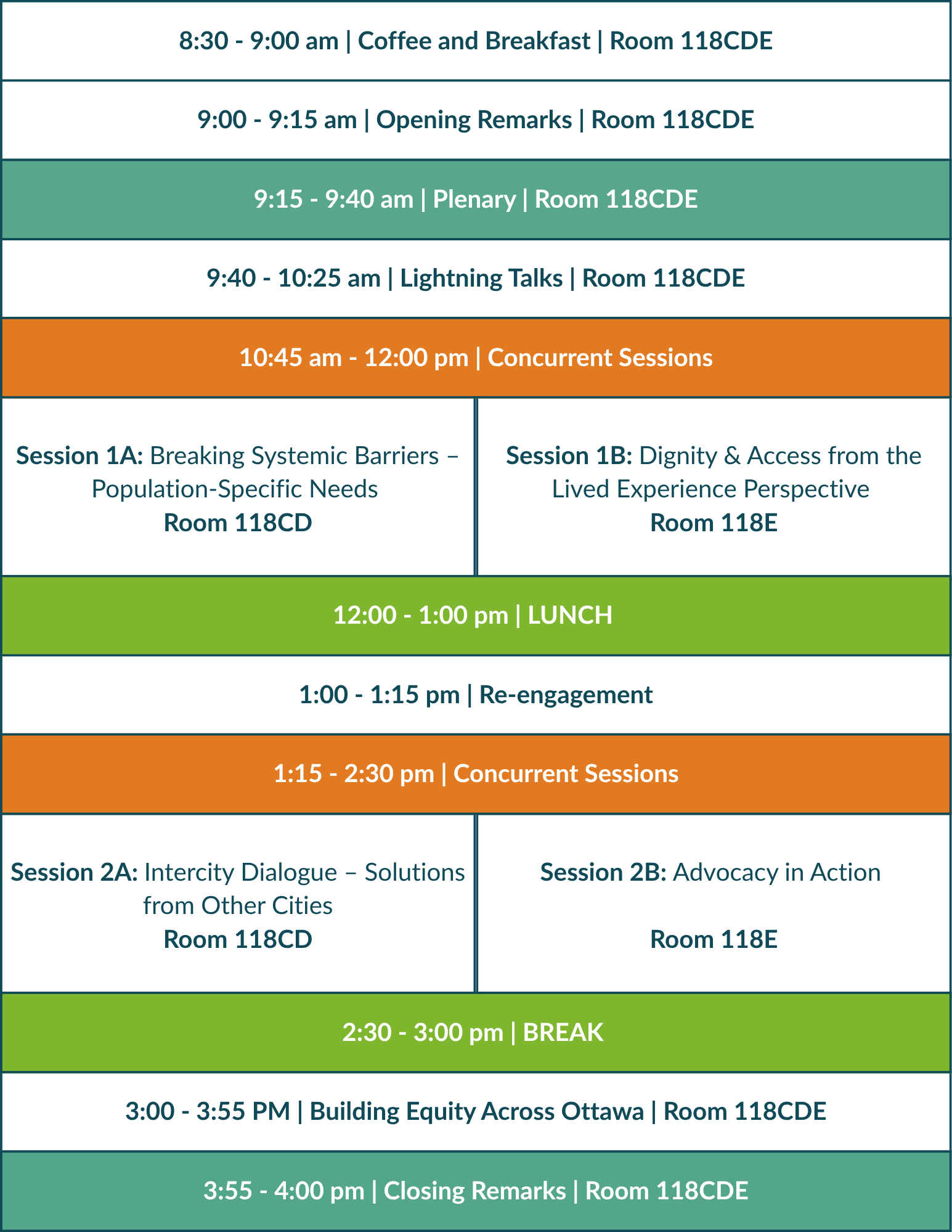
Plenary
Catherine Mah
With over one-quarter of persons (25.2%) in economic families and an appalling 47.8% in lone-parent-led economic families experiencing household food insecurity in the most recent Canadian Income Survey, it is time to ask hard questions about how we are responding as a society to food need. A conscious uncoupling of our understanding of food access is needed to re-design food insecurity policy to be grounded in poverty alleviation and social protection.
Lightning Talks
Krystal Kehoe MacLeod, Marty Carr, Beth Tooley, Angelica Quesada, Ally Crockford, and Daniel Danford Dussault
The Lightning Talks session features rapid 5–7-minute presentations, sharing innovative ideas and approaches to food security. Speakers will present on municipal food security initiatives, transforming the non-profit sector through equity work, dignity-centered responses to food insecurity, culturally relevant food sovereignty in long-term care, and community navigation wraparound services. These brief presentations showcase diverse perspectives and actionable strategies that connect to the conference theme of Confronting a Crisis, Securing Our Future. The session will conclude with a Q&A period.
Lightning Talk Summaries
Councillor Carr will provide background on the initiatives she has worked on to promote food security within the ward and the City. She will speak to future initiatives and how the public will be able to engage on them.
Angelica and Ally will share Righting Relations’ experiences in transforming the non-profit sector. Based on the experiences of workers, volunteers and leadership, RR has created solid and proven processes, workshops and materials to support organizational reflection, education and change.
Beth will share how Community Houses respond to food insecurity with dignity at the centre while ensuring immediate relief from hunger in welcoming, trusted spaces, recognizing that needing food is not shameful, that parents deserve to feed their children without stigma, and that communities thrive when they take care of one another. She will also speak to the importance of pairing that urgent response with access to nutritious food and advancing long-term, community-driven systems change and policy solutions that address the root causes of food insecurity.
On behalf of her research teams and community partners, Dr. Kehoe MacLeod will present preliminary findings from community-based research projects on food security and sovereignty in long-term care spaces. In these projects, we partner with community food programs to understand how traditional and culturally relevant foods can be sourced, prepared and delivered to Indigenous and African, Caribbean and Black communities. We aim to translate these findings into long-term care homes to integrate culturally relevant and safer foods into person-centered care.
When 2-1-1 callers reach out, they frequently do so for urgent needs like food or housing. Our Community Navigators respond quickly to address those immediate needs first, then, go further: identifying root causes and actively connecting people to longer-term supports that can stabilize and improve their situation.
Breakout Sessions
Natasha Duckworth, Leah Podobnik, and Jonathon Brizard
This session centers the voices and experiences of people who have accessed food support systems. Panelists will share their perspectives on dignity, access barriers, and the emotional toll of navigating food insecurity. Through guided discussion and interactive audience engagement, the session explores what dignity looks like in practice, the compounding factors people face, and concrete actions needed to shift how we think about and deliver food support. The session includes an audience poll and Q&A period to build understanding and empathy around lived experiences of food insecurity.
Tasha Sioufi Stansbury, Kyle Hainnu, Beverly Dykstra, and Thony Jean-Baptiste
This panel explores the unique barriers different populations face in accessing food support and the tailored approaches needed to address them. Panelists will discuss priorities in designing sustainable and culturally relevant food systems, creating welcoming community centered food banks that provide a taste of home, adapting services for urban Indigenous communities, and addressing the multiple barriers (physical, financial, logistical, mental health) that make food programs inaccessible to people with disabilities. The session emphasizes that while food programs fill critical gaps, systemic change is needed to address root causes through strengthened income support, empowered employment, and making necessities affordable. The session will include interactive audience engagement elements and conclude with a Q&A period.
Sarah Wilmer, Conny Glenn, and Laura Anonen
This session explores how different cities are responding to the food security crisis. Panelists from Kingston, Toronto, and Guelph will share local solutions, systemic barriers, and advocacy wins from their communities. The discussion will examine factors driving the affordability crisis, short term solutions and their limitations, successful wins and what made them possible, and the shifts needed to move from temporary fixes to long term sustainable solutions. Through interactive audience polls and guided conversation, participants will explore what moves policymakers to act and identify practical steps they can take to support systemic change. The session will conclude with a Q&A period.
Diana Chan McNally
The future of social services is uncertain, but one thing is clear: the need will continue to grow. For agencies and workers on the front-lines, it’s impossible to take a backseat when our services and communities are facing ongoing cuts and active harm. But how do we begin to create the power that’s needed to affect real change? Diana Chan McNally will discuss real life examples of her advocacy work, both inside and outside of government-funded agencies, and strategies she’s employed to grow collective power — and win. The session will include an interactive element where participants can practice applying these advocacy strategies to their own work.
Noor E. & Harmony Eshkawkogan
A fireside chat between co-panelists, Harmony and Noor, about food justice and food sovereignty, and how systemic barriers continue to pose serious concerns and challenges to food access and food security. Participants will also be invited to imagine different possibilities, honour memories and wisdom of those before us and alongside us, and plant dreams together for more sustainable relationships to food, one another and our practices.
Thank You to Our Sponsors

Presented By: Nutrition International
We’re proud to welcome Nutrition International as the presenting sponsor of the 2026 Ottawa Food Security Conference.
Based in Ottawa, Nutrition International is a global organization dedicated to delivering life-changing nutrition interventions to vulnerable populations worldwide. Their work plays a vital role in the fight against malnutrition across more than 60 countries.
A sincere thank you to Nutrition International for supporting our efforts to strengthen food security across Ottawa.
Dignity & Access from the Lived Experience Perspective Session Funding By: Mazon Canada
The Dignity & Access from the Lived Experience Perspective session is made possible through a generous grant from Mazon Canada.
Mazon Canada is a grassroots community foundation that combats food insecurity by supporting both Jewish and non-Jewish Canadians. Each year, they partner with food banks, school nutrition programs, shelters, community garden initiatives, and more.
Thank you to Mazon Canada for their support and for helping bring the Dignity & Access from the Lived Experience Perspective session to life.

Venue Sponsor: Ottawa Conference and Event Centre
Thank you to the Ottawa Conference and Event Centre for generously providing the venue for the 2026 Ottawa Food Security Conference.
We appreciate their commitment to supporting our food security initiatives.
Meet the Speakers
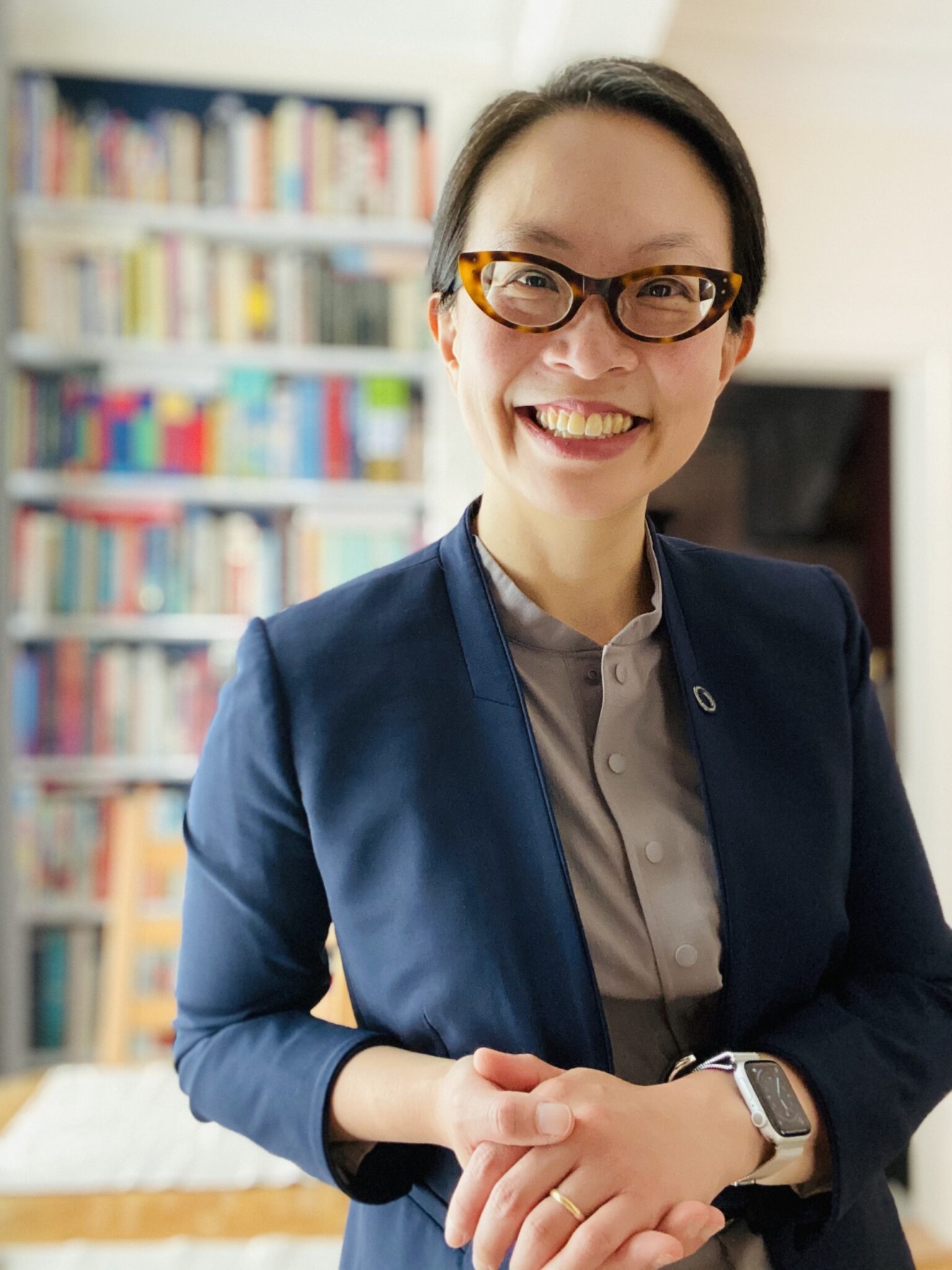
Catherine Mah (She/Her)
Dr. Catherine L. Mah is a Professor and Canada Research Chair in Promoting Healthy Populations in the School of Health Administration at Dalhousie University. She is an internationally recognized scholar in nutrition and food insecurity policy. Her goal is to inform the design of public and organizational policies for stronger social protection in Canada, as well as indicators used for routine governmental decision-making. Her latest CIHR grant partners with Nova Scotia’s health authority, the largest employer in the province, in a cohort study to examine the role of the workplace food environment in workers’ purchases, wellbeing, and diet quality. Dr. Mah was an appointee to Health Canada’s Nutrition Science Advisory Committee (2020-2023) and the inaugural Canadian Food Policy Advisory Council (2020-2022). Since 2024 she has served on the Scientific Advisory Committee for the Council of Canadian Academies. Dr. Mah received her PhD in health policy from the University of Toronto and MD from the University of Calgary. She is a Fellow of the Royal College of Physicians of Canada and started her career in Newfoundland and Labrador and Ontario as a community paediatrician. In 2022, Dr. Mah was the recipient of a Queen Elizabeth II Platinum Jubilee Medal from Nova Scotia.
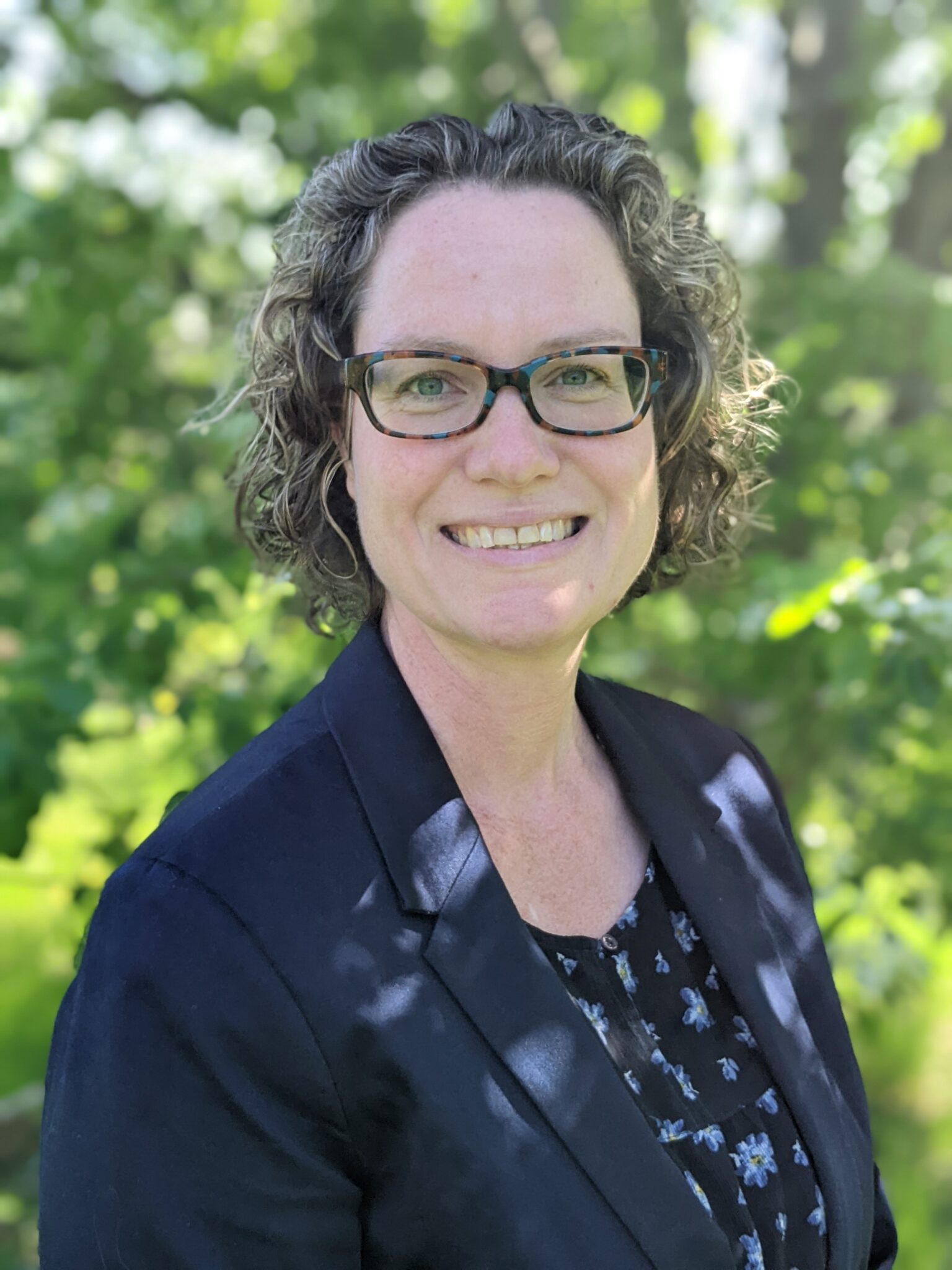
Krystal Kehoe MacLeod (She/her)
Krystal Kehoe MacLeod PhD is the Founding Director of the Centre for Care Access and Equity Research at the Bruyère Health Research Institute and the University of Ottawa. She uses community-based research approaches to study the impacts of food insecurity on older adults and in Indigenous and ethno-cultural minority communities. Krystal is the Director of the Ottawa Valley Food Security Project and sits on the Board of Directors of the charitable non-profit Carefor Home Health Care and Community Support Services.
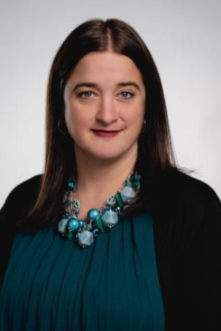
Marty Carr (She/Her)
Marty Carr was born in Ontario and lived in Prince Edward County until 1982 when her family moved to Edmonton, Alberta. She attended University of Alberta where she graduated with a B.A. (Major: French language and literature) in 1994. In 1997 she moved to Quebec City to undertake an M.A. in Applied Linguistics from Laval University. She moved to Ottawa in 1999 and settled in Alta Vista in 2004.
While raising her children (Molly and Henry) with her husband (Chris) in Alta Vista, Marty became deeply involved in the community – with school councils, community groups and eventually as President of the Alta Vista Community Association. While she balanced her community work with a rewarding career in the Federal Public Service for over twenty years, it was her passion for the community that led her to run for Councillor for Alta Vista.
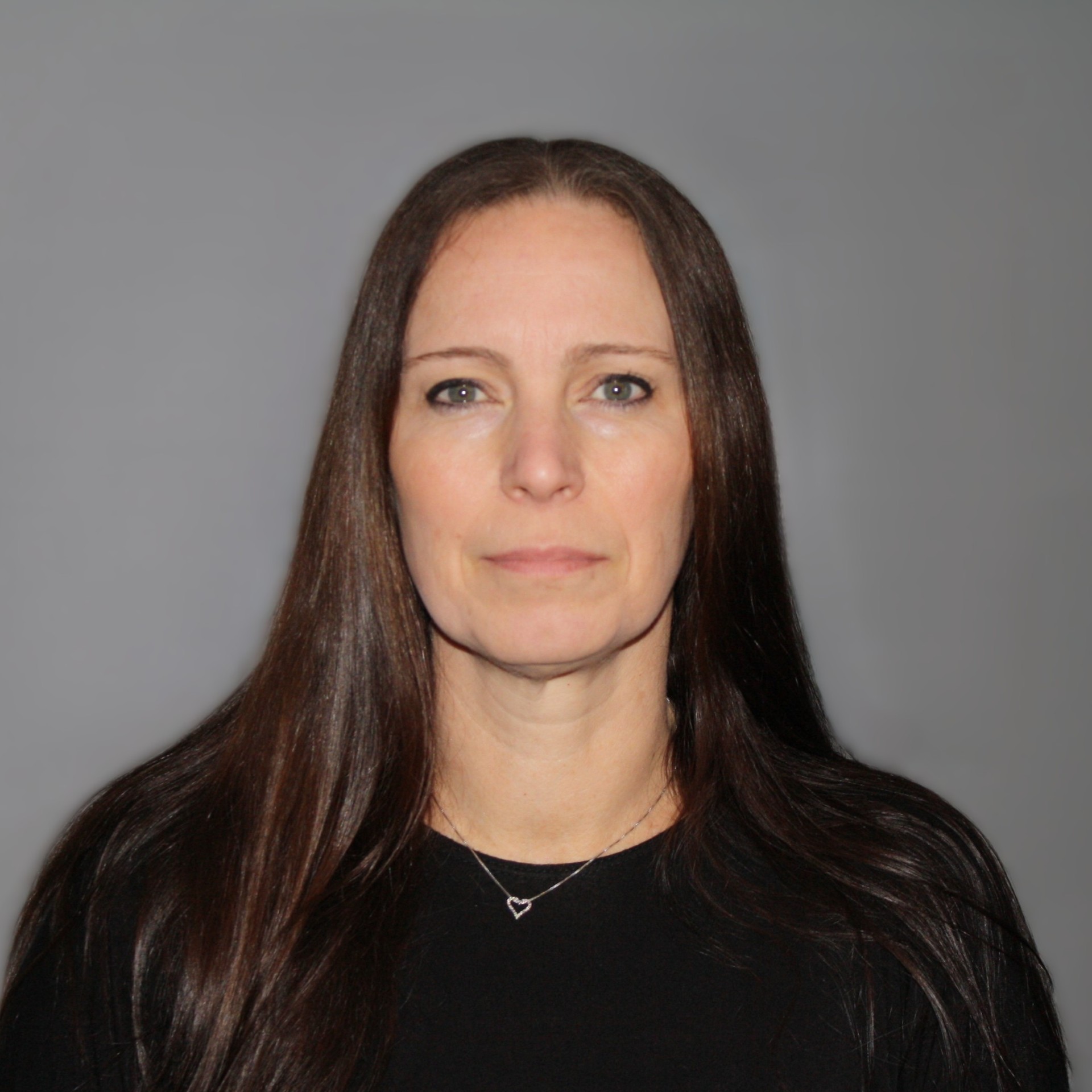
Beth Tooley (She/Her)
Beth Tooley is a community leader and long-time advocate for children, youth, and families in Ottawa’s priority neighbourhoods, with more than 25 years of experience advancing community-based solutions to poverty and food insecurity. She contributes to city-wide food systems leadership through the OFB Network Steering Table, Ottawa Community Food Partnership, and the City of Ottawa’s Food Security Pillar Working Group. She grounds this systems work in earlier community-based leadership in Britannia Woods where resident-driven food programs, including a food bank, lunch program, collective kitchen, and community garden, have long supported families’ basic needs while strengthening belonging. Beth is employed by Britannia Woods Community Services, where she serves as Interim Manager of the Ottawa Child & Youth Initiative (OCYI) and Coordinator of the Ottawa Coalition of Community Houses (OCCH).
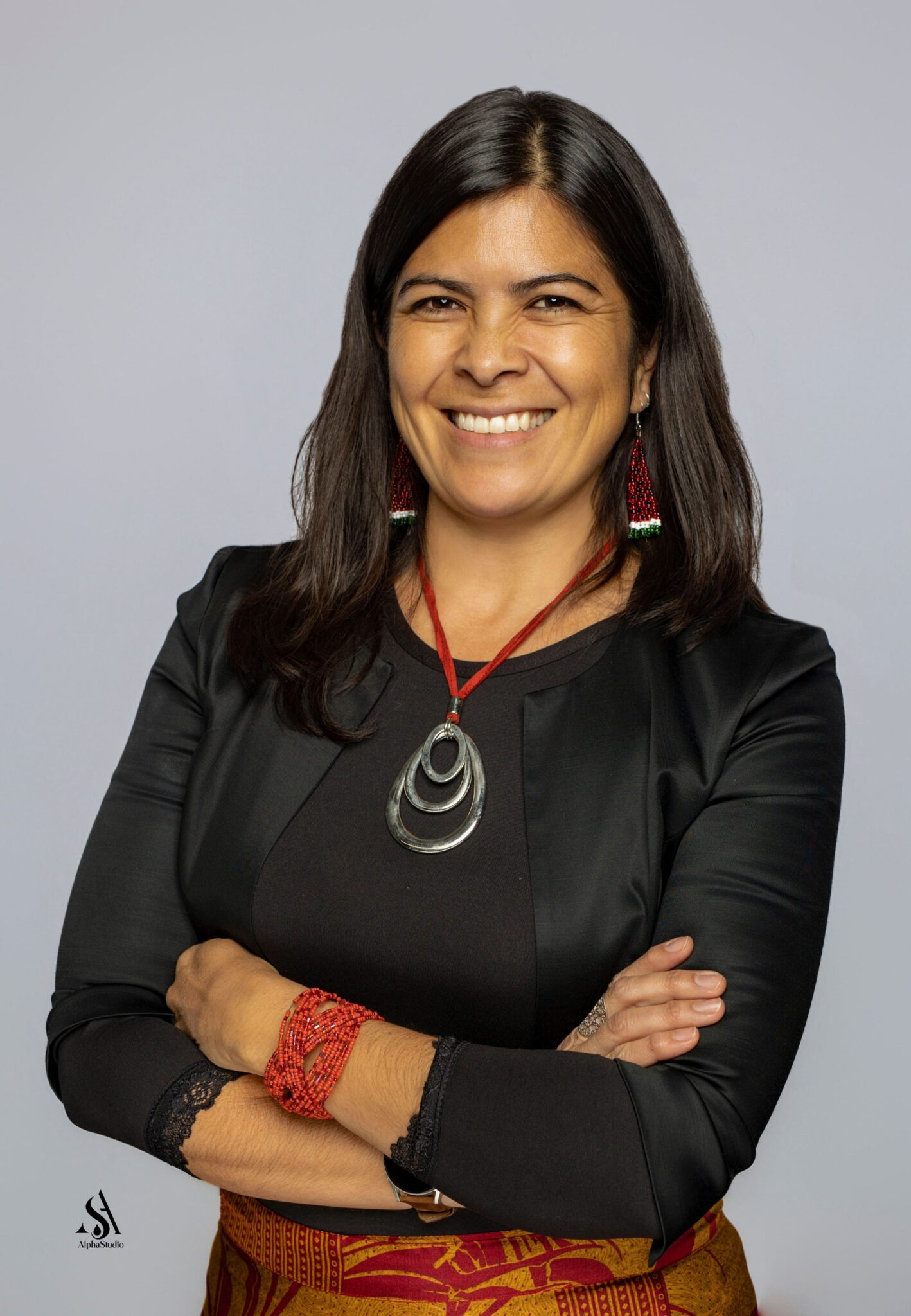
Angelica Quesada (She/Her)
Angelica Quesada is Director of Research and Adult Education at the John Humphrey Centre for Peace and Human Rights (JHC), a west Hub coordinator with Righting Relations and recently started supporting this work in Ottawa. She leads transformative initiatives advancing equity, justice, and human rights across Canada. With 16 years of experience working at the intersection of adult education, advocacy, research, and policy development. Certified in Dialogues for Peaceful Change methodologies, Angelica designs and facilitates inclusive, participatory learning environments that empower communities to analyze systemic inequities and co-create strategic responses. She brings deep, practice-based expertise to her leadership. Her work integrates intersectional and decolonial frameworks, emphasizing collaboration and shared leadership as pathways to sustainable social transformation. By bridging research, policy, and frontline practice, Angelica fosters cross-sector collaboration to advance equitable, community-driven approaches to social development.

Ally Crockford (She/They)
For over 10 years, Ally has been working with organizations across industries and continents; their background encompasses academic research, open knowledge advocacy, feminist and disability justice education, and nonprofit programs and project management. A passionate social justice educator, communicator, activist, and advocate, they are always looking to tell stories, engage communities, and facilitate change.
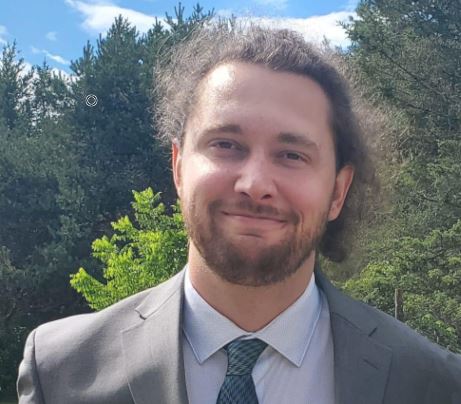
Daniel Danford Dussault (He/Him)
Daniel (he/him) has been working in the community sector, in Canada and abroad, for the past 14 years, having studied communications and languages. He is passionate about community navigation, technology solutions, maps, and about empowering people to find the right resources. Currently working with Community Navigation of Eastern Ontario, in communications and development.

Leah Podobnik (She/Her)
Leah has been an active member of the community for over two decades, including ten years as an organizer. Today, she embraces a quieter pace of life, contributing her expertise as part of the Alliance to End Homelessness’ steering team while beginning her career as a newly graduated nurse. When she’s not working, you’ll likely find her curled up with her dog and a favorite book.
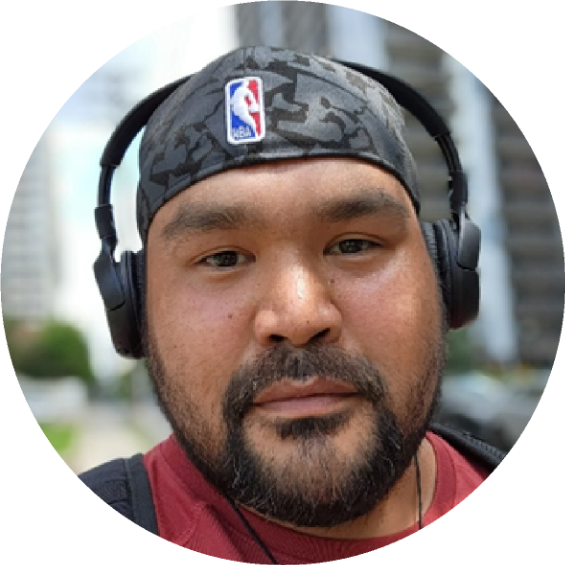
Jonathon Brizard (He/Him)
Jonathon Timotee Brizard is a staff member at the Odawa Native Friendship Centre and a member of the Ottawa Food Bank equiTABLE, where he uses his lived experience to advocate for change.
Growing up, his family used the Ottawa Food Bank, shaping his early understanding of food insecurity. As an Indigenous person with parents who attended residential and Inuit day schools, he faced the impacts of intergenerational trauma and spent time in the child welfare system, moving between group homes.
Later, Jonathon struggled with addiction, low income, and homelessness. Today, he draws on these experiences to support others and work toward improving systems for those facing similar challenges.
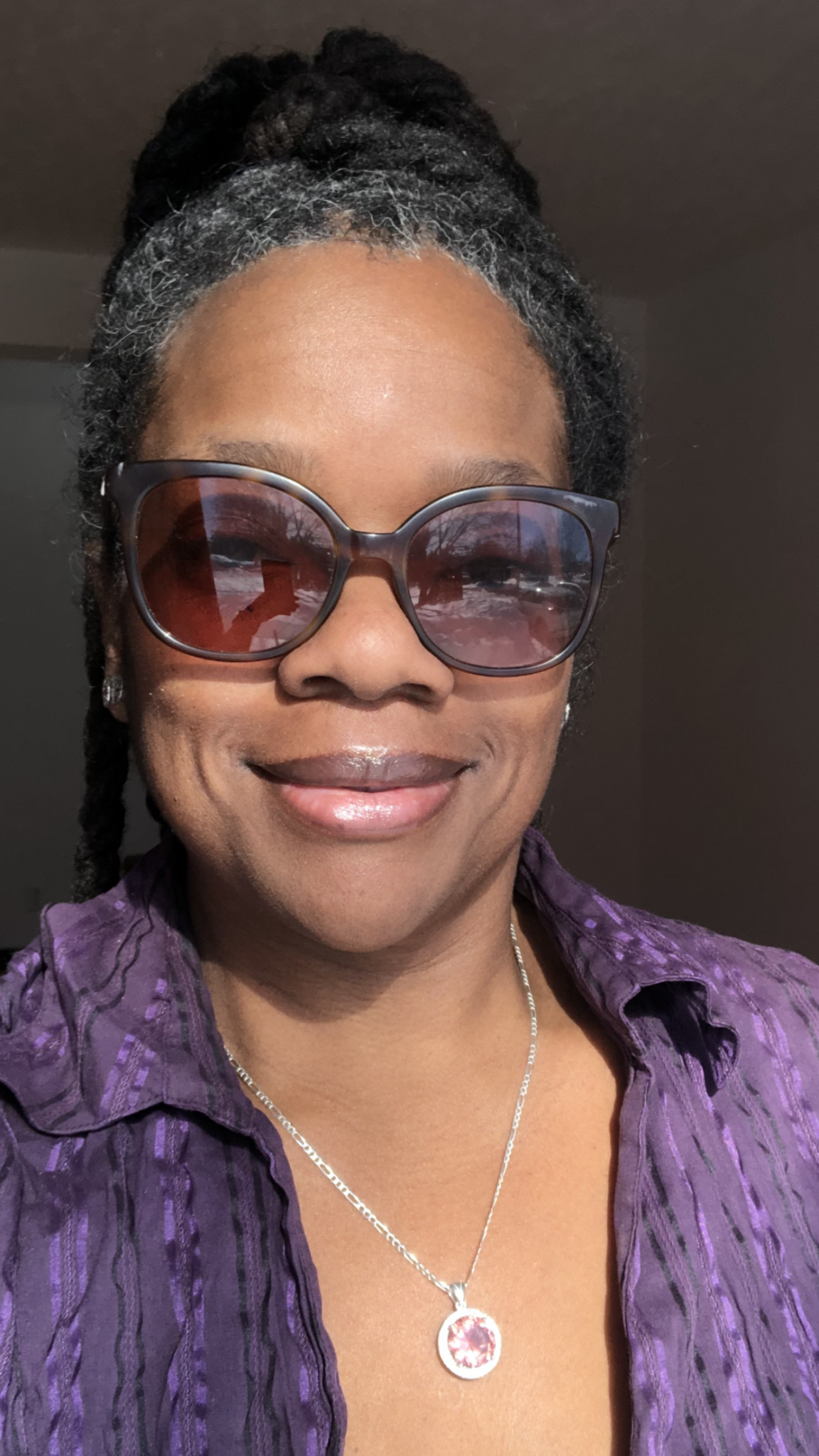
Natasha Duckworth (She/Her)
Natasha is currently in the stage of life where she considers herself a person who was born in an Ottawa winter storm and is navigating through this thing called life. She is passionate about plants and travel.
Natasha is a life-long learner who recently learned how to knit. Music is always around her even if it’s only in her head and her dancing feet are always ready. She aims to walk 10 kms a day, but is still happy if she only makes it to 5 kms or 2 kms.
Natasha feels blessed to be able to view each challenge life throws her way as an opportunity. Her sister would describe her as a visionary, social justice warrior and writer who truly enjoys the simple things in life.
Tasha Sioufi Stansbury (She/They)
Tasha Sioufi Stansbury (she/they) is a PhD student and part-time professor at the University of Ottawa Faculty of Common Law. Her research focuses on culturally appropriate food, the human right to food, and the environmental impact of food trade. She holds an LL.M. from the University of Ottawa, a J.D. from the University of Windsor, and an Honours B.A. from the University of Toronto.
Kyle Hainnu (He/Him)
Kyle was born and raised in Clyde River, Nunavut, and moved to Ottawa to pursue his education. He began his career at Tungasuvvingat Inuit working in cultural programming before transitioning to food security. Kyle is now the Team Lead for the Food Security program at Tungasuvvingat Inuit.
Beverly Dykstra (She/Her)
Beverly Dykstra serves as the Food Security Coordinator at Tungasuvvingat Inuit, supporting community food security through the provision of country food and other food programs. Originally from Iqaluit, Nunavut, Beverly was raised in Russell, Ontario, and now calls Ottawa home.
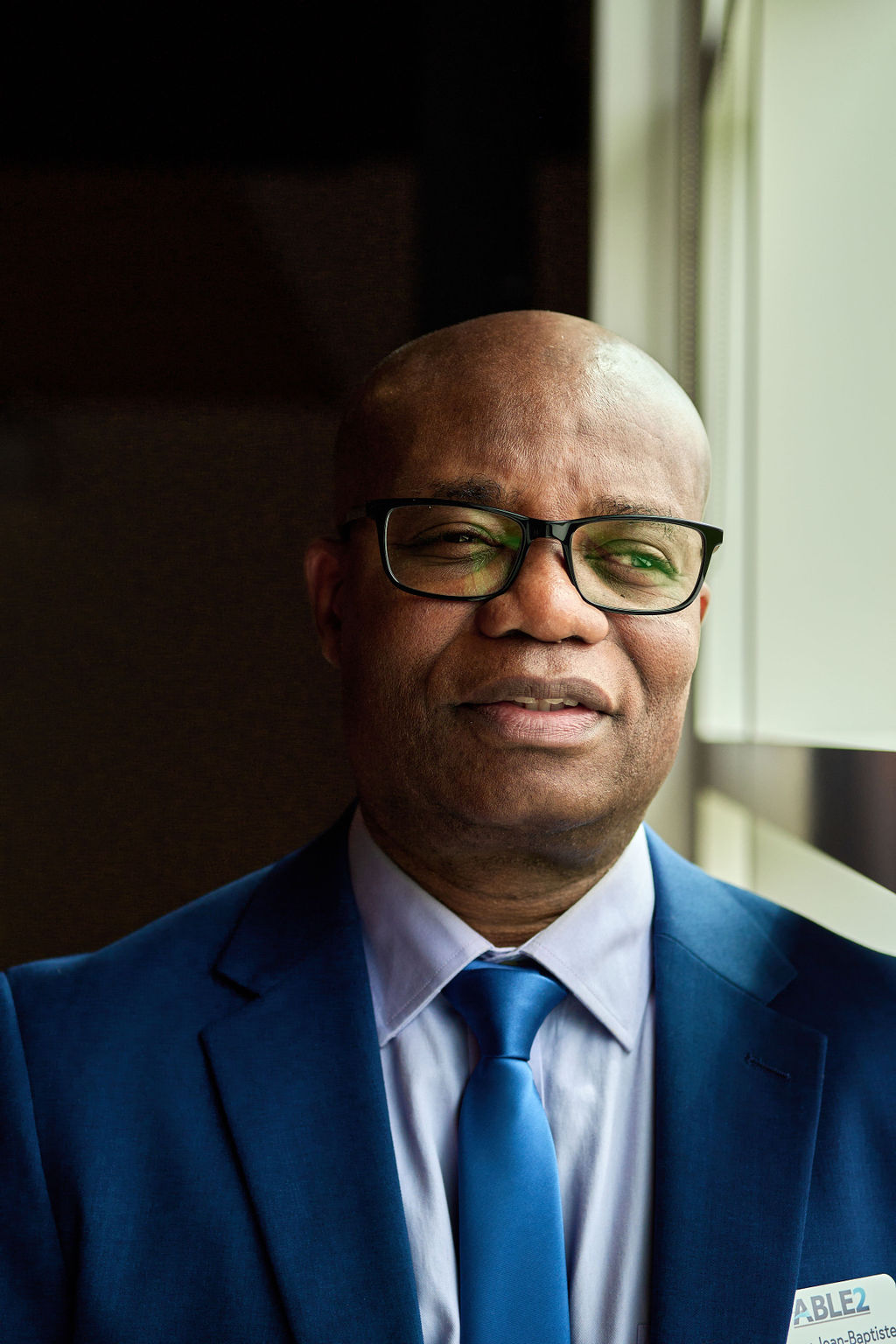
Thony Jean-Baptiste (He/Him)
Thony Jean‑Baptiste is the Director of Programs at ABLE2: Support for People with Disabilities, where he has spent over two decades advancing programs that empower people with disabilities across Ottawa. His career began with community‑development work at World Vision Haiti, an experience that shaped his commitment to social justice and meaningful change. Since joining ABLE2 in 2005, he has led impactful initiatives focusing on building confidence, independence, and strong community connections among people with disabilities and advocates in Ottawa. He holds an MSW from the University of Ottawa and a BSW from the University of Quebec in Outaouais.

Sarah Wilmer (She/Her)
Sarah is happy to be working alongside the wonderful team of staff and volunteers at The SEED who are building a new kind of food system, fuelled by community and filled with dignity. Sarah completed her Master of Public Health Degree at the University of Guelph and has been working in community health for over a decade. She is passionate about health equity and amplifying the voices of lived experience. In her downtime, she likes to wander through the woods!
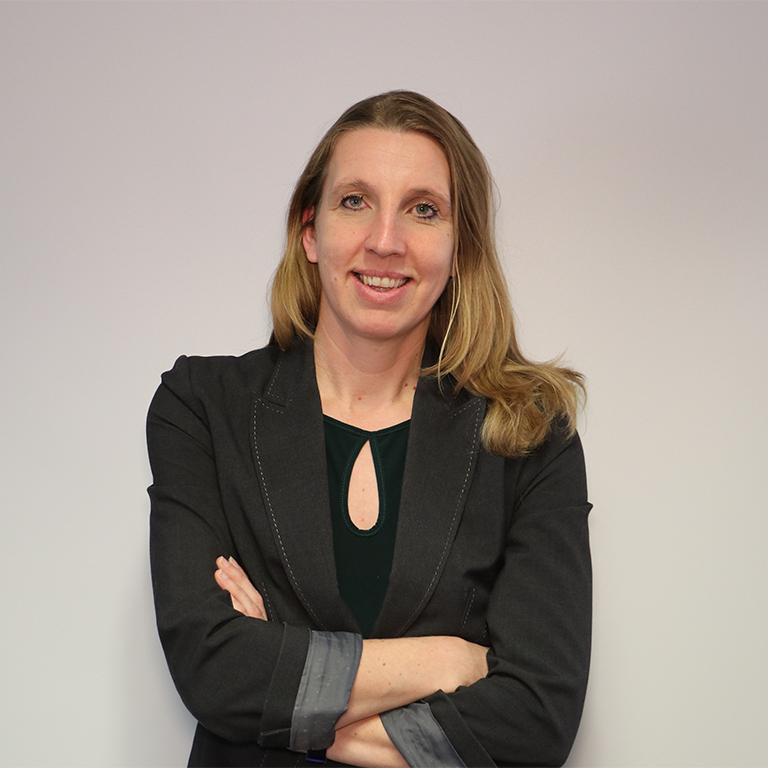
Ruth Noordegraaf (She/Her)
Ruth Noordegraaf is the Director of the Community Development & Wellbeing and IIDEA department with the City of Kingston. Her portfolio includes areas such as Food Security, Aging, Accessibility, Community Safety, Neighbourhood Activation, Equity, Diversity and Indigenous Initiatives. The work focuses primarily on the various system wide social issues that communities in Canada are facing, and the preventative actions municipalities can take in building and fostering social infrastructure and social capital. Ruth is passionate about building communities where every person is safe, healthy, nourished and belongs.

Laura Anonen (She/Her)
Laura Anonen is a tenant advocate and organizer. She works as a Community Developer at Don Valley Community Legal Services, a community legal clinic in Toronto’s east end. She previously worked with Toronto City Councillor Paula Fletcher for six years. Laura has also served on the Board of Directors of the Federation of Metro Tenants’ Associations (FMTA) since 2021. She works with community members, tenant groups, local organizations and elected officials on campaigns and law reform initiatives. She advocated for and helped develop the City of Toronto’s renovictions bylaw. Laura has a B.A. Honours from the University of Toronto in Political Science and Environmental Policy, as well as a Certificate in Strategic Public Relations from the University of Toronto School of Continuing Studies. She completed the Maytree Policy School in 2024.
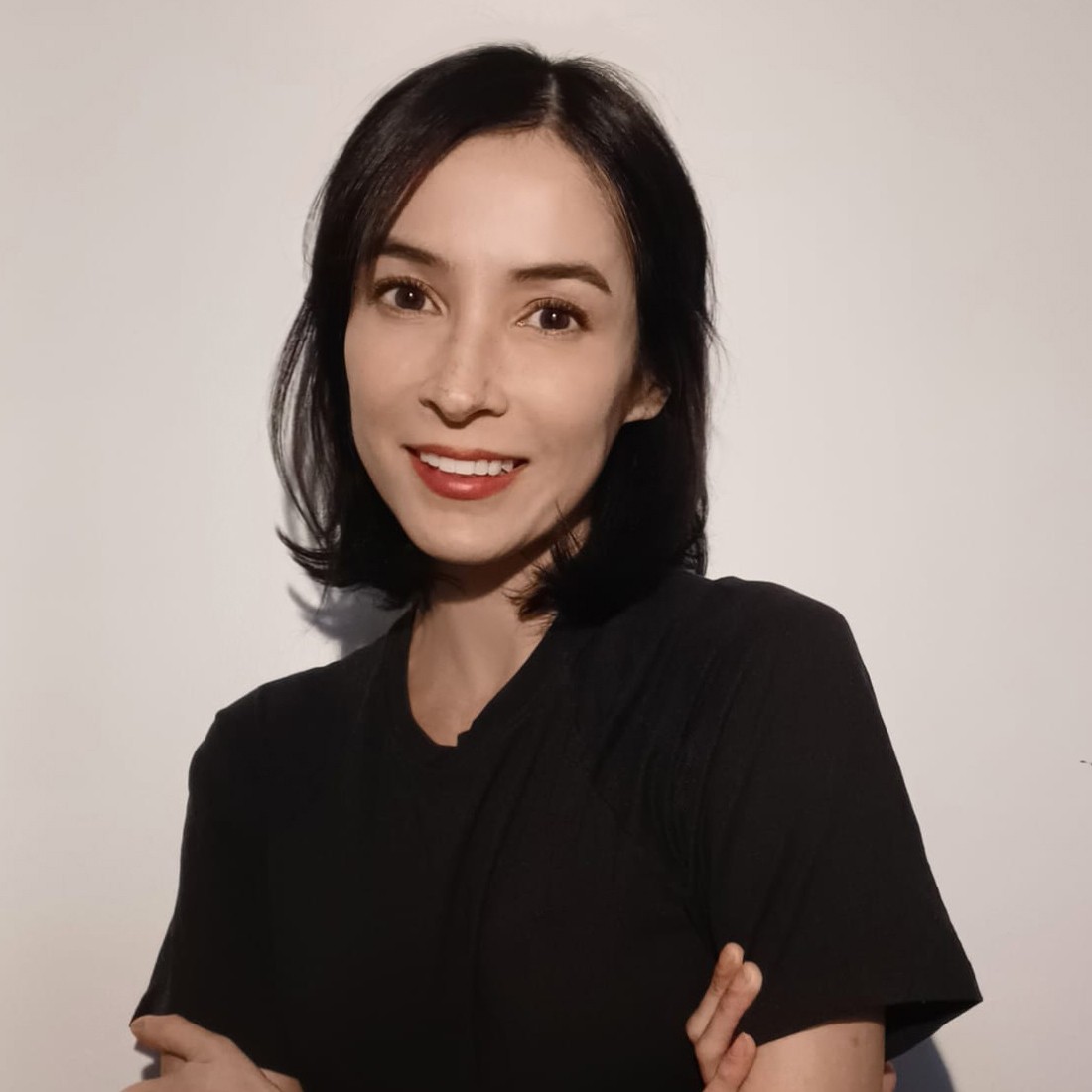
Diana Chan McNally
Diana Chan McNally (Dipl. CW BFA MA MEd) is a community and crisis worker in Toronto’s downtown east side. As someone with lived experience of social services and of being unhoused, Diana’s work focuses on human rights and equity issues for people who are experiencing homelessness by advocating at the political level, while still maintaining an active frontline praxis. Diana is also a Fellow with the Maytree Foundation, and has served on the steering committees and boards of Justice for Children and Youth and Health Providers Against Poverty.
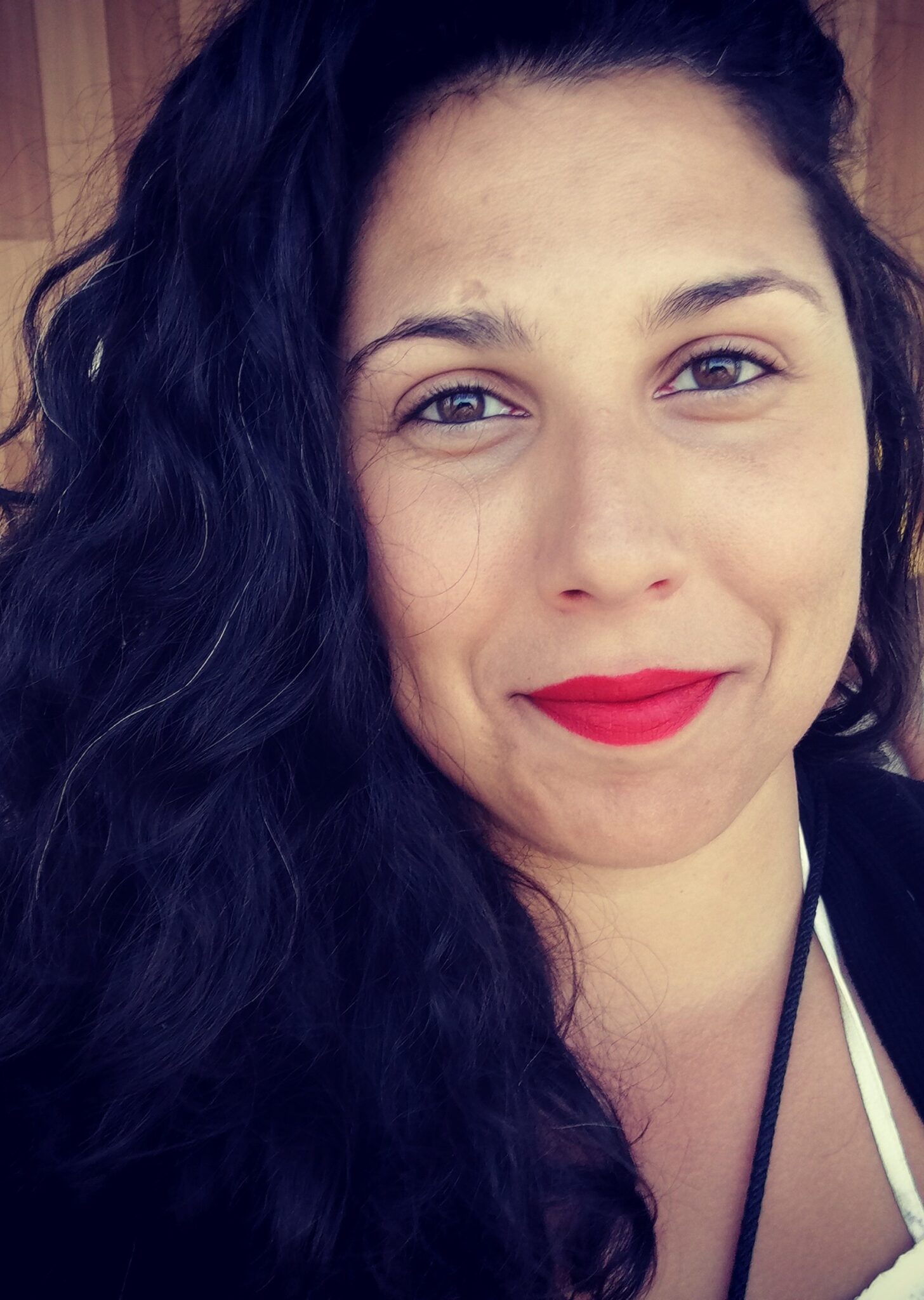
Noor E. (she/elle/هي/ella)
Noor E. (she/elle/هي/ella) is a sun-loving poet, educator, community advocate, and ARAO consultant. A migrant daughter raised across many spaces and people, mainly on the traditional, unceded and ongoing territories of the Kanien’kehá:ka and the Algonquin Anishinabeg Nations. She is passionate about community-directed, liberatory and justice approaches to living, learning and being in relation to each other, the land and waters.
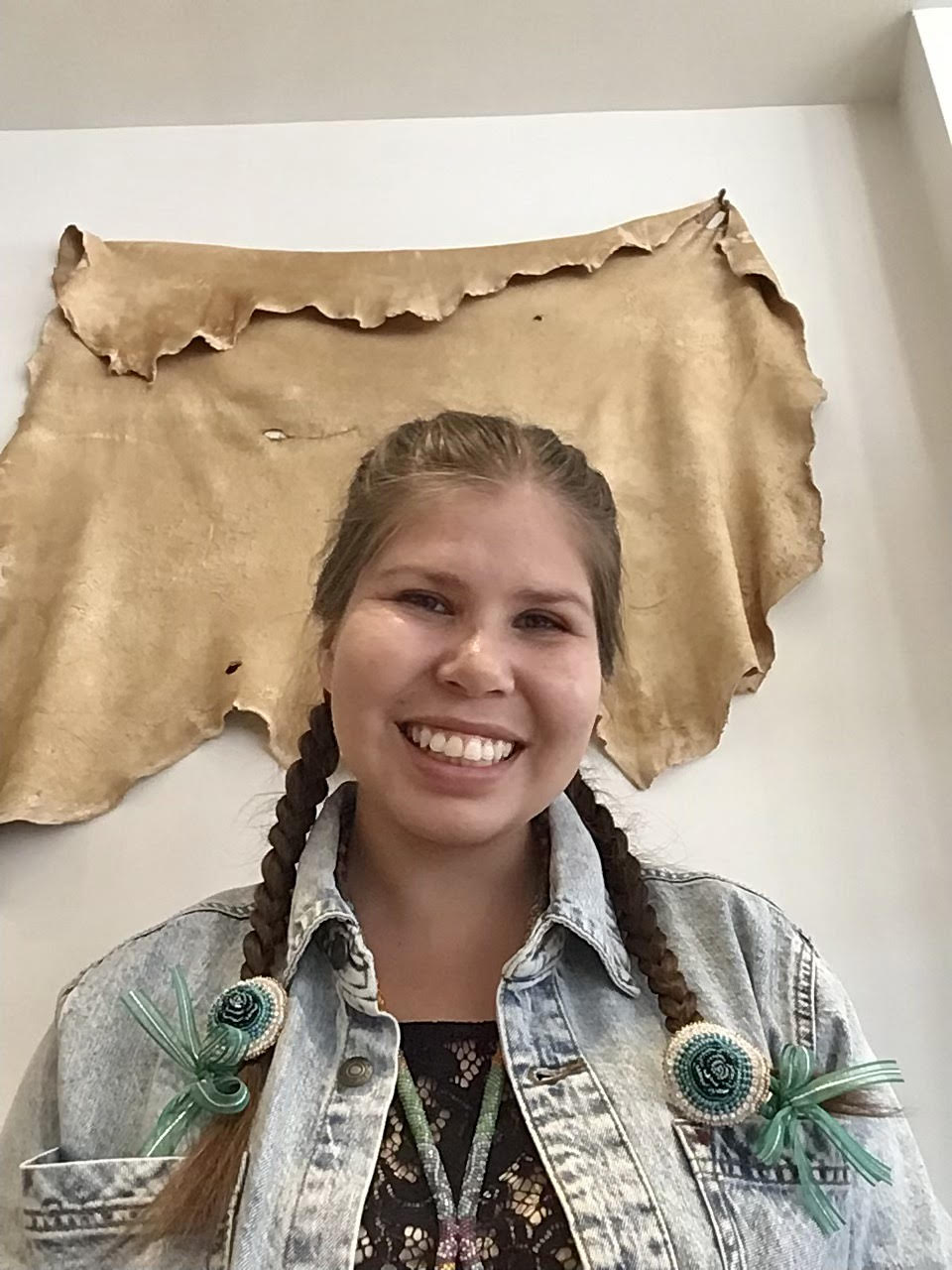
Harmony Eshkawkogan (She/Her)
Harmony Eshkawkogan (EE-shkaw-koh-gun) is a First Nation woman from Wiikwemikoong and
specifically Ojibwe, Odawa, and Potawatomi from the Three Fires Confederation. She works at the First Nations Children and Family Caring Society, an organization dedicated to eliminating the discrimination that First Nation children and youth experience in Child Welfare. She is also a
Helper with Assembly of Seven Generations (A7G), an Indigenous youth-led grassroots
nonprofit that focuses on community support and opportunities for Indigenous youth, where
Harmony plays a lead role in community gardening, plant sustenance and food security.
Harmony is also an artist with focus on beadwork, ribbon skirt design, watercolour and cosplay designer. She is a passionate advocate for protecting the water and improving mental health for Indigenous peoples which are significantly tied to gender-based violence of Indigenous woman, girls and 2spirit people.